Feline Separation Anxiety: Signs, Causes, and How to Help Your Cat Cope
Cats are often viewed as independent and self-sufficient, but many cats form deep emotional bonds with their owners. When those bonds are disrupted, some cats experience distress known as feline separation anxiety. This condition is more common than many people realize and can significantly impact a cat’s emotional and physical well-being.
Understanding feline separation anxiety — including what causes it, how to recognize it, and how to manage it — can help you support your cat and prevent long-term behavioral issues.
What Is Feline Separation Anxiety?
Feline separation anxiety occurs when a cat becomes stressed, anxious, or distressed when separated from their primary caregiver or when their routine changes. While some cats may show mild signs of discomfort, others can develop severe behavioral or physical symptoms.
Unlike dogs, cats often express anxiety in subtle ways, making it easy to miss until the behavior becomes persistent or disruptive.
Common Signs of Feline Separation Anxiety
Cats experiencing separation anxiety may show a variety of behavioral or physical changes. Common signs include:
- Excessive vocalization (meowing, yowling, crying)
- Destructive behavior, such as scratching furniture or doors
- Inappropriate urination or defecation outside the litter box
- Overgrooming or hair loss
- Loss of appetite when alone
- Vomiting or diarrhea related to stress
- Clingy behavior when the owner is home
- Hiding or withdrawal
These behaviors often occur only when the owner is away or during periods of routine disruption.
What Causes Feline Separation Anxiety?
Several factors can contribute to feline separation anxiety, and it’s often a combination rather than a single cause.
Strong Attachment to One Person
Cats that form an especially close bond with one person may struggle when that person is absent, even for short periods.
Changes in Routine
Cats thrive on routine. Changes such as new work schedules, travel, or longer hours away from home can trigger anxiety.
Moving or Environmental Changes
Relocating to a new home, rearranging furniture, or introducing new pets or people can disrupt a cat’s sense of security.
Loss or Trauma
Cats that have experienced abandonment, rehoming, or the loss of a companion (human or animal) may be more prone to anxiety.
Medical Conditions
Some medical issues can mimic or worsen anxiety behaviors. Pain, gastrointestinal disease, or hormonal imbalances should always be ruled out.
Is Feline Separation Anxiety Normal?
While mild stress responses are common, ongoing or escalating anxiety is not considered normal and should not be ignored. Feline separation anxiety can worsen over time and lead to chronic stress, which negatively affects immune function, digestion, and overall health.
Early recognition and intervention are key.

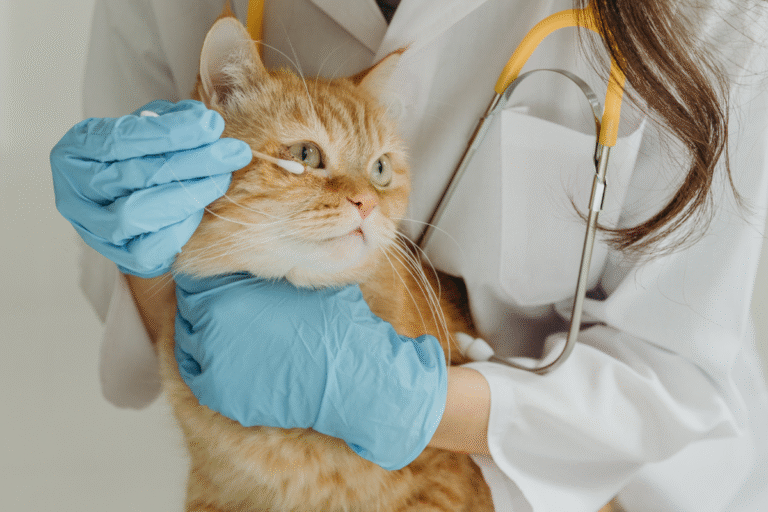
How Veterinarians Diagnose Feline Separation Anxiety
There is no single test for feline separation anxiety. Diagnosis typically involves:
- A thorough physical exam
- Reviewing behavioral history
- Ruling out medical causes through bloodwork or testing
- Identifying patterns related to absence or routine changes
Your veterinarian may ask detailed questions about your cat’s environment, daily schedule, and behavior when you are home versus away.
How to Help a Cat With Separation Anxiety
Managing feline separation anxiety requires patience, consistency, and environmental support.
Maintain a Predictable Routine
Feed, play, and interact with your cat at consistent times each day. Predictability helps reduce anxiety.
Increase Environmental Enrichment
Provide mental stimulation while you’re away, such as:
- Puzzle feeders
- Interactive toys
- Window perches
- Bird or nature videos
A mentally engaged cat is less likely to focus on stress.
Avoid Dramatic Departures and Returns
Keep exits and arrivals calm and low-key. Overly emotional goodbyes can increase anxiety.
Encourage Independence
Reward calm, independent behavior rather than constant attention-seeking.
Create Safe Spaces
Provide quiet, comfortable areas where your cat can retreat when feeling stressed.
What NOT to Do
Some well-intentioned actions can make feline separation anxiety worse:
- Punishing anxious behavior
- Forcing interaction
- Ignoring severe symptoms
- Making sudden environmental changes
- Adding new pets during periods of stress
These actions can increase fear and worsen anxiety.
Can Medication Help Feline Separation Anxiety?
In moderate to severe cases, medication may be recommended as part of a comprehensive treatment plan. Veterinarians may prescribe anti-anxiety medications or supplements to help regulate stress levels.
Medication is most effective when combined with behavioral and environmental changes.
When to Seek Veterinary Help
You should contact your veterinarian if:
- Anxiety behaviors are persistent or worsening
- Litter box issues develop
- Your cat stops eating
- Overgrooming causes hair loss or skin damage
- Stress affects your cat’s quality of life
Never assume anxiety is “just behavioral” without ruling out medical causes.
Long-Term Outlook for Cats With Separation Anxiety
With early intervention and consistent management, many cats improve significantly. While some cats may always be more sensitive to change, most can learn to cope with separation when given the right support.
The goal is not to eliminate all stress, but to help your cat feel safe, secure, and confident — even when you’re not home.
Final Thoughts
Feline separation anxiety is a real and often overlooked condition. Cats may be independent in many ways, but emotional bonds matter deeply to them. Recognizing the signs early and responding with compassion can prevent long-term stress and improve your cat’s overall well-being.
If your cat’s behavior changes when you’re away, it’s worth paying attention — and getting help when needed.
Worried Your Cat Is Struggling When You’re Away?
If you suspect feline separation anxiety or have noticed changes in your cat’s behavior, our veterinary team is here to help. We can evaluate your cat, rule out medical causes, and create a personalized plan to reduce stress and improve quality of life.
Call our office or request an appointment online today to support your cat’s emotional health.