
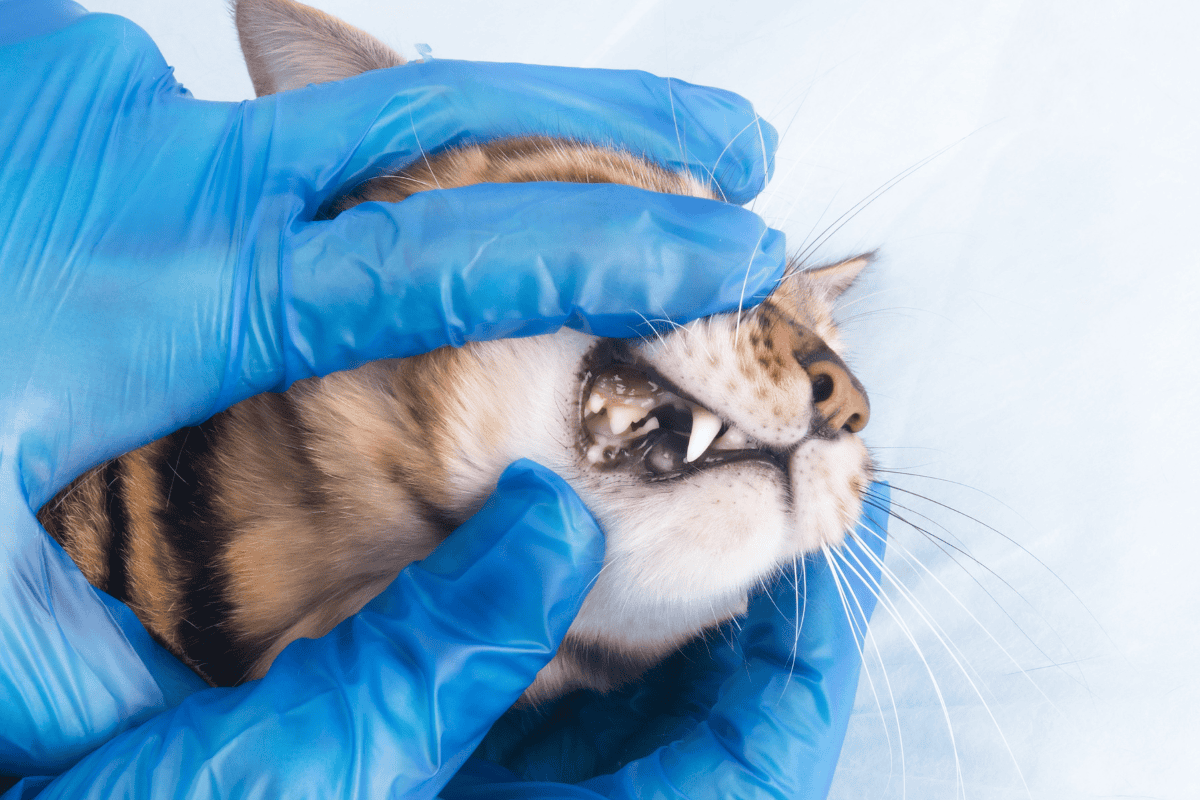
Do Dental Treats Work for Cats? What Pet Owners Should Know About Feline Dental Health
Dental disease is one of the most common health issues affecting cats, yet it’s often overlooked until serious problems develop. Many cat owners turn to dental treats as an easy way to improve oral health, but an important question remains: do dental treats work for cats?
While dental treats can play a role in maintaining oral hygiene, they are not a cure-all. Understanding how dental treats work, their limitations, and what they should (and shouldn’t) replace can help you make better decisions for your cat’s long-term health.
Why Dental Health Matters in Cats
By the age of three, the majority of cats show signs of dental disease. Plaque buildup leads to tartar, gingivitis, periodontal disease, tooth loss, and chronic pain. Left untreated, oral bacteria can also enter the bloodstream and affect organs such as the heart and kidneys.
Unfortunately, cats are experts at hiding discomfort, so dental disease often progresses quietly until it becomes severe.
Do Dental Treats Work for Cats?
The short answer is yes — dental treats can work for cats, but with important limitations.
Dental treats are designed to reduce plaque and tartar buildup through mechanical action. As the cat chews, the texture of the treat helps scrape plaque off the tooth surface. Some dental treats also contain ingredients that help reduce bacteria or slow plaque formation.
However, dental treats alone are not enough to prevent dental disease. They should be viewed as a supplement to dental care, not a replacement for professional cleanings or at-home oral hygiene.
How Dental Treats Help Cat Teeth
Dental treats may provide benefits such as:
- Reducing plaque buildup on visible tooth surfaces
- Freshening breath
- Encouraging chewing, which promotes saliva production
- Slowing tartar accumulation when used consistently
Some veterinary-approved dental treats have been shown to reduce plaque when used daily, especially in cats with mild dental issues.
What Dental Treats Cannot Do
To properly answer do dental treats work for cats, it’s important to understand their limitations.
Dental treats cannot:
- Clean beneath the gumline
- Remove hardened tartar
- Treat gingivitis or periodontal disease
- Replace professional dental cleanings
- Eliminate existing dental infections
Most serious dental problems occur below the gumline — an area dental treats simply can’t reach.
Are All Dental Treats Created Equal?
No. Not all dental treats are effective or safe. Some are simply crunchy snacks without any proven dental benefit.
When choosing dental treats, look for:
- Veterinary approval or endorsement
- Products designed specifically for cats
- Clear instructions for daily use
- Appropriate calorie content
Overfeeding dental treats can lead to weight gain, which creates additional health risks.
How Often Should Cats Get Dental Treats?
Most dental treats are intended for daily use, but portions should always be followed carefully. Dental treats should make up only a small percentage of your cat’s daily calorie intake.
Dental treats work best when used consistently over time and combined with other forms of dental care.
What Is the Best Dental Care for Cats?
To truly protect your cat’s oral health, a multi-layered approach is recommended.
Professional Dental Cleanings
Veterinary dental cleanings performed under anesthesia are the most effective way to remove plaque and tartar — especially below the gumline.
At-Home Dental Care
While brushing a cat’s teeth isn’t always easy, even occasional brushing with cat-safe toothpaste can make a difference. Dental wipes and water additives may also help.
Dental Diets
Prescription dental diets are formulated to promote chewing and reduce plaque buildup more effectively than standard kibble.
Dental treats can complement these methods but should never be the sole form of dental care.

Signs Your Cat May Have Dental Disease
Even if you use dental treats, you should watch for warning signs such as:
- Bad breath
- Red or bleeding gums
- Drooling
- Pawing at the mouth
- Difficulty eating
- Weight loss
- Behavioral changes
If you notice any of these symptoms, a veterinary exam is necessary.
Are Dental Treats Safe for All Cats?
Most healthy adult cats can safely eat dental treats, but some cats may not be good candidates, including:
- Cats with advanced dental disease
- Cats with missing or painful teeth
- Cats with dietary restrictions
- Overweight cats
Your veterinarian can help determine whether dental treats are appropriate for your cat.
Do Dental Treats Replace Dental Cleanings?
No. This is one of the most important takeaways when asking do dental treats work for cats.
Dental treats can help maintain oral health but cannot reverse or cure dental disease. Professional dental exams and cleanings remain essential, especially as cats age.
Final Thoughts
So, do dental treats work for cats? Yes — when used correctly and consistently, dental treats can help reduce plaque buildup and support oral hygiene. However, they are only one piece of the puzzle.
The healthiest cats benefit from a comprehensive dental care plan that includes professional cleanings, regular exams, and at-home support. Dental treats are best viewed as a helpful supplement — not a substitute — for veterinary dental care.
Concerned About Your Cat’s Dental Health?
If you’re wondering do dental treats work for cats or have noticed signs of dental disease such as bad breath or difficulty eating, our veterinary team is here to help. We can evaluate your cat’s oral health and recommend the best dental care plan.
Call our office or request an appointment online today to schedule a dental exam.