Cat UTI Symptoms: How to Recognize a Urinary Tract Infection
Urinary tract infections in cats require prompt recognition and treatment to prevent serious complications. Understanding what to watch for allows you to identify infections before they progress to life-threatening stages. Cats are susceptible to various urinary problems, including infections, crystals, and blockages, which manifest through behavioral changes and litter box modifications. Your vet recognizes that cat symptoms often involve subtle behavioral shifts that owners might initially attribute to other causes. Early detection enables effective antibiotic treatment, preventing kidney involvement and severe pain. Monitoring your cat’s litter box habits and behavior provides crucial information for recognizing possible infections.
Litter Box Frequency and Behavior Changes
The most noticeable signs involve changes in litter box behavior and frequency. Cats with infections often visit the litter box significantly more frequently than usual, producing small amounts of urine during each visit. You might observe your cat spending extended periods in the litter box, straining unsuccessfully to produce substantial urine. Some cats develop inappropriate elimination outside the box, particularly on soft surfaces like bedding or clothing. This behavioral change indicates your cat is experiencing urinary discomfort. Your vet recognizes that increased litter box frequency is a classic symptom requiring investigation.
Changes in frequency can be gradual or sudden, depending on infection severity. Some cats visit the box five to ten times daily when experiencing symptoms. Others show more subtle increases in frequency that careful observation reveals. If you notice your cat spending more time in the litter box than usual or visiting more frequently, contact your vet for evaluation. Behavioral changes this significant suggest urinary involvement rather than behavioral preference.
Straining and Vocalization During Urination
Cats with infections often vocalize during or after urination, crying out from discomfort as urine passes through inflamed urinary tissue. This vocalization is a clear indicator that demands veterinary attention. You might hear your cat meowing, yowling, or crying while in the litter box or immediately after leaving it. Some cats seem to brace themselves or display visible straining while attempting urination. Male cats sometimes produce minimal urine despite strong straining, which is particularly concerning as it suggests possible urethral involvement. Your vet takes these painful elimination signs very seriously.
The connection between pain and vocalization makes this one of the most reliable indicators. Your cat’s usual bathroom routine will suddenly include audible distress, making the change obvious to attentive owners. Some cats become extremely vocal about all bathroom visits once infection develops. This behavioral shift often prompts owners to seek veterinary evaluation more readily than silent symptoms might.
Visible Blood and Urine Appearance Changes
Observable changes in your cat’s urine strongly suggest infection. Blood in the urine, though not present in all cases, is a significant finding. You might notice pink or red-tinted urine in the litter box or dark-colored urine instead of your cat’s normal light yellow output. Cloudy urine or unusual odor also indicates possible urinary tract issues. Some cats have such severe bloody urine that blood spots appear on the litter box edges or on the cat’s hindquarters. These visible signs prompt most owners to seek immediate veterinary care.
Your vet examines urine microscopically to confirm the presence of blood cells and identify bacteria. Even subtle color or odor changes warrant investigation. Cats are fastidious creatures, so they often spend significant time licking their genital area when experiencing irritation. If you notice your cat excessively grooming this area, it may indicate a urinary issue requiring veterinary evaluation.
Behavioral and Personality Changes
Beyond obvious litter box symptoms, cats with infections often exhibit behavioral changes reflecting their discomfort. Many become withdrawn, seeking solitude and avoiding normal interaction. Your cat might hide more than usual, spending extended time in quiet spaces away from family activity. Appetite changes frequently accompany infection development, with some cats eating less due to malaise. Some cats show increased irritability or aggression when touched, especially on the abdomen. These behavioral changes might not immediately connect to urinary issues in your mind, but they are reliable indicators of physical distress.
Anxiety and restlessness sometimes characterize these infections, with affected cats seeming unable to settle comfortably. Your cat might pace frequently, shift positions constantly, or struggle to find comfortable sleeping positions. Some cats become overly clingy, seeking reassurance and comfort. The personality shift your cat displays reflects genuine pain and discomfort from urinary tract inflammation. Your vet recognizes these behavioral changes as significant when combined with litter box modifications.
Complications and Serious Symptoms
While uncomplicated infections respond well to treatment, some cats develop serious complications requiring emergency care. Male cats are at particular risk for urethral blockage, where swelling or debris prevents urine passage. Complete blockage is a life-threatening emergency requiring immediate veterinary intervention. Signs of blockage include straining without urine production, vocalization, lethargy, and loss of appetite. If your male cat shows symptoms combined with inability to urinate, seek emergency veterinary care immediately. Blocked cats can die within forty-eight hours without treatment, making rapid intervention essential.
Kidney involvement, ascending from lower urinary tract infection, causes systemic illness symptoms including fever, lethargy, vomiting, and loss of appetite. Cats with kidney infection show more severe versions of typical symptoms plus obvious signs of systemic illness. Your vet assesses kidney function through blood work and determines appropriate treatment intensity. Some cats with severe infections require hospitalization and intravenous antibiotic therapy. Early treatment of simple infections prevents progression to these serious complications.
Chronic Feline Lower Urinary Tract Disease
Some cats develop recurrent or chronic urinary problems, collectively called feline lower urinary tract disease (FLUTD). These cats experience repeated episodes of symptoms, though some flare-ups are actually sterile inflammation rather than bacterial infection. Chronic FLUTD cats often have crystal formation in addition to or instead of infection. Your vet investigates underlying causes in chronic cases, as repeated episodes suggest predisposing factors. Stress, diet, hydration levels, and urinary pH all influence FLUTD development. Cats with chronic disease benefit from environmental modifications and dietary changes your vet recommends.
Managing chronic FLUTD requires monitoring and prevention rather than treating acute episodes. Your vet might recommend increased water intake, dietary modifications, or medications that prevent crystal formation. Regular urinalysis helps catch infections early before they become severe. Understanding your individual cat’s FLUTD triggers allows prevention through environmental management. Many chronic FLUTD cats respond well to comprehensive management approaches your vet develops.
When to Contact Your Veterinarian Immediately
Certain symptoms demand immediate veterinary evaluation rather than waiting for regular appointments. Complete inability to urinate, bloody urine, or vocalization during urination all warrant prompt assessment. Male cats showing urinary symptoms should be seen urgently, as blockage risk is serious. Systemic symptoms like fever, vomiting, or severe lethargy combined with urinary signs indicate possible kidney involvement. If your cat is in obvious distress or acting severely ill, seeking emergency veterinary care is appropriate. Your vet helps determine whether symptoms warrant immediate evaluation or can be addressed at the next available appointment.
Even mild symptoms deserve prompt attention because early treatment is most effective. Cats tend to hide illness, so when symptoms become obvious enough for owners to notice, they’re often moderately advanced. Contacting your vet at the first sign of possible symptoms prevents further progression and potential complications. Your vet appreciates owners seeking evaluation for subtle symptoms rather than waiting for severe disease.
Diagnosis and Treatment Approach
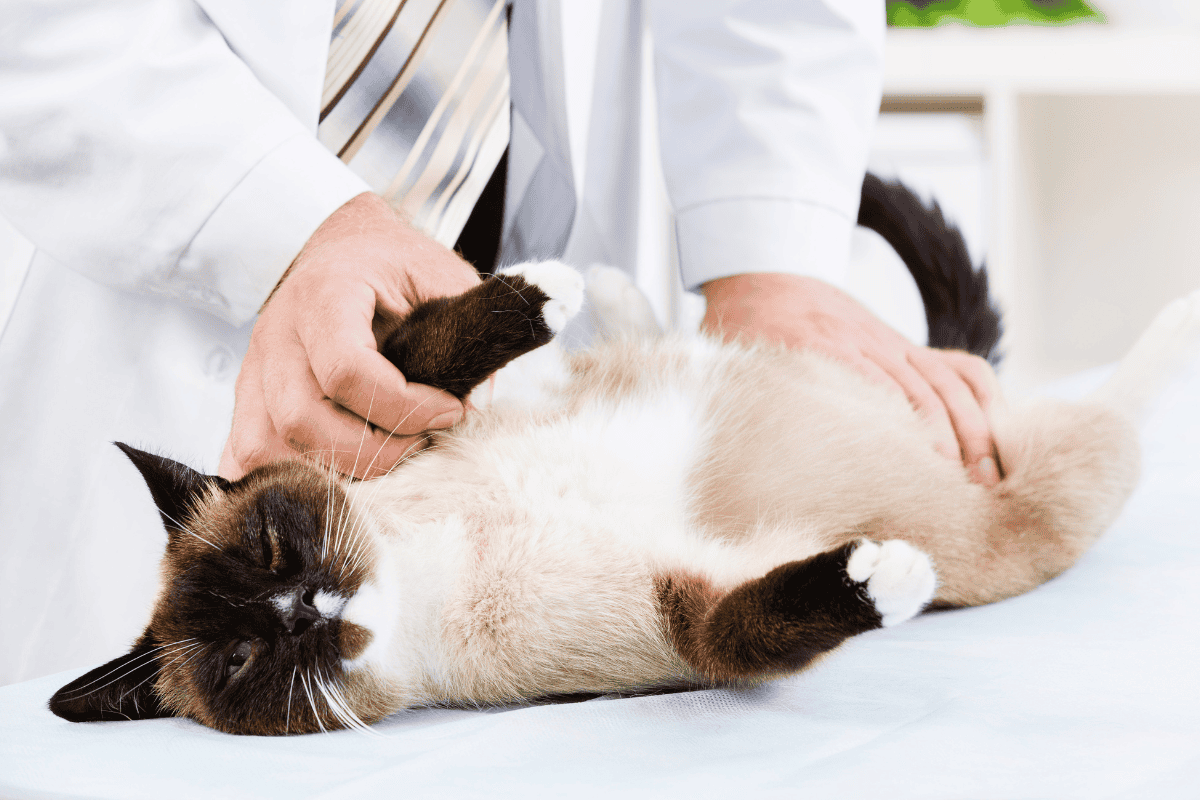
Your vet diagnoses infection through urinalysis, examining urine for bacteria, white blood cells, crystals, and other abnormalities. Urine culture identifies specific bacteria and allows antibiotic sensitivity testing. A thorough physical examination often reveals bladder tenderness or abdominal pain. Blood work helps assess kidney function and overall health. Some cats require imaging like ultrasound to rule out structural problems or crystal formation. Your vet uses these diagnostic results to confirm the infection and determine appropriate treatment. Most uncomplicated infections respond to oral antibiotics given for seven to fourteen days, with symptom improvement occurring within two to three days of starting treatment.
Suspect a Urinary Issue in Your Cat?
If your cat is straining to urinate, visiting the litter box more frequently, or showing signs of discomfort, our veterinary team is here to help. We’ll diagnose the issue promptly and provide effective treatment to relieve your cat’s symptoms.
Call our office or request an appointment online today to discuss your cat’s urinary health.