
Why Is My Dog Scratching Their Ears? Common Causes Explained
If your dog is constantly scratching her ears, she’s telling you something’s wrong. Dog scratching ears is one of the most common complaints we hear from pet owners—and the good news is that it’s usually treatable. The causes range from simple irritation to infections that get worse without attention. Understanding what triggers ear scratching helps you identify problems early and get appropriate care. Your vet can diagnose the specific cause and recommend targeted treatments that actually work.
Addressing the problem promptly prevents complications and gets your dog back to her comfortable, happy self.
Common Causes of Ear Scratching
Ear infections represent the most frequent culprit. Bacterial infections develop when moisture, debris, or yeast create an environment where microbes thrive. Yeast infections often cause intense itching, particularly in floppy-eared breeds where moisture accumulates. If left untreated, external infections can develop into otitis media—an inner ear infection that’s much more serious.
Your vet will culture ear discharge to identify exactly what’s causing the infection, ensuring you get the right antibiotics or antifungals. Dogs with chronic ear problems benefit from regular cleaning and monitoring to prevent recurrence.
Parasitic infestations cause intense itching in susceptible dogs. Ear mites commonly affect puppies and young dogs, while adult dogs rarely develop heavy infestations. Fleas typically affect the body but can bite ears and cause significant discomfort. Scabies mites preferentially attack ear margins, causing crusting and severe pain.
Your vet can identify parasites through microscopic examination of ear debris. Proper prevention and treatment eliminate parasite-related scratching quickly.
Allergies and Ear Scratching
Environmental allergies frequently trigger ear scratching. Pollen, dust, mold spores, and other irritants cause inflammatory responses in susceptible dogs. You’ll often notice seasonal patterns—scratching gets worse during spring or fall months. Food allergies represent another common cause, particularly reactions to chicken, beef, wheat, or dairy. Unlike environmental allergies, food-related itching occurs year-round. Your vet can recommend elimination diets or testing to identify food triggers.
Allergic reactions cause ear inflammation and increased cerumen production, creating environments where secondary infections develop. This vicious cycle perpetuates scratching and worsens discomfort. Managing allergies through environmental modification, dietary changes, or medications reduces itching and prevents complications. Antihistamines, corticosteroids, or immunotherapy may help control allergies. Your vet will evaluate your dog’s specific situation and recommend appropriate management strategies.
Foreign Objects and Ear Trauma
Grass seeds, foxtails, and plant material sometimes lodge in ear canals, causing acute discomfort and head shaking. Small objects may cause immediate problems, while others work deeper into the canal over time. Your vet should examine any dog experiencing sudden, intense scratching, as foreign objects need removal immediately. Excessive head shaking can cause trauma to ear tissues, creating hematomas or blood-filled swellings.
Dogs with floppy or hairy ears face higher risks for foreign object accumulation. Regular grooming and cleaning help prevent debris buildup that contributes to scratching. Trimming excess ear hair in susceptible breeds reduces moisture retention and debris trapping. Your vet can teach you proper ear-cleaning techniques to maintain ear health. However, aggressive cleaning sometimes causes trauma, so gentle handling is essential. For persistent problems, professional ear cleaning by your vet may be necessary.
Secondary Skin Infections
Dogs with generalized skin conditions often experience ear scratching as part of broader dermatological problems. Mange, ringworm, and other skin infections can spread to ears, causing discomfort. Seborrhea, a condition causing greasy, flaky skin, predisposes dogs to ear infections. Atopic dermatitis affects the entire body, frequently including ears. Your vet will examine both ears and overall skin condition when diagnosing the problem.
Treating the underlying skin condition often resolves ear scratching and prevents recurrence. Chronic inflammation from persistent scratching can lead to ear thickening and permanent structural changes. Early intervention prevents these complications. Your vet may recommend skin scrapings, fungal cultures, or allergy testing to identify underlying causes. Treating secondary bacterial or yeast infections alongside managing primary conditions prevents the vicious cycle of scratching leading to infection, which worsens itching.
Earwax Buildup and Ear Health
Excessive cerumen accumulation irritates ear tissues and triggers scratching. Some dogs naturally produce more earwax than others. Floppy-eared breeds, particularly Spaniels and Basset Hounds, develop buildup more readily. Humidity and moisture exacerbate the problem. Regular ear cleaning removes excess wax and debris, reducing discomfort. However, over-cleaning can damage ear canal tissues and cause inflammation. Your vet can recommend appropriate cleaning frequency based on your dog’s individual needs.
When cleaning ears at home, use veterinarian-approved solutions and gentle techniques. Never use cotton swabs deep in the canal, as this pushes debris deeper and causes trauma. For dogs with chronic buildup-related scratching, professional cleaning sessions may be necessary. Your vet can demonstrate safe methods. Regular monitoring helps identify buildup before it causes significant discomfort and associated problems.
When to Seek Veterinary Care
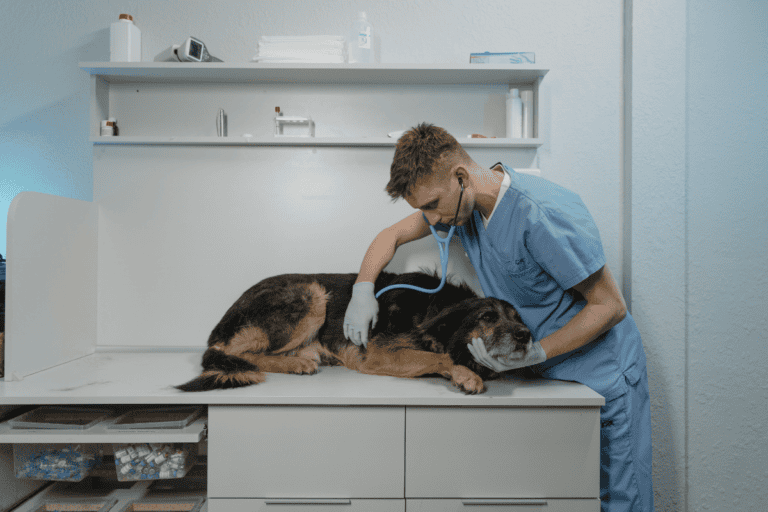
Any persistent scratching lasting more than a few days warrants veterinary evaluation. Acute onset of intense scratching may indicate foreign objects requiring immediate removal. Visible discharge, odor, or swelling around ears suggests infection requiring prompt treatment. Ear discoloration, crusting, or bleeding indicates significant inflammation. Dogs shaking their heads persistently or showing behavior changes due to ear discomfort need assessment.
Dogs that repeatedly develop problems may benefit from preventive strategies. Regular ear checks, cleaning, and parasite prevention reduce recurrence. Your vet can identify breed-specific predispositions and recommend appropriate management. For dogs with chronic issues, establishing a strong relationship with your vet ensures consistent monitoring and early intervention.
Treatment Options
Treatment depends entirely on the underlying cause. Bacterial infections require appropriate antibiotics, often applied topically or administered orally. Yeast infections respond to antifungal medications available as ear drops or systemic treatments. Your vet may recommend ear cleaning before medication application for optimal penetration. Parasite infestations require specific parasiticides, with choice depending on the parasite type. Allergy-related scratching may involve antihistamines, corticosteroids, or immunotherapy depending on severity.
Pain management is important for dogs experiencing severe discomfort. Analgesics reduce discomfort and discourage excessive scratching that causes secondary trauma. Your vet will monitor treatment effectiveness and adjust medications as needed. Some dogs benefit from dietary supplements supporting skin and ear health. E-collars may be necessary temporarily to prevent self-trauma during acute scratching episodes. Follow your vet’s recommendations closely to achieve optimal outcomes.
Conclusion
Ear scratching indicates an underlying problem requiring identification and treatment. Whether caused by infections, allergies, parasites, or other factors, addressing the issue promptly prevents complications and restores your dog’s comfort. Your vet can diagnose the specific cause through examination and testing, then recommend appropriate treatment. Regular ear checks and preventive measures reduce future problems. Working with your veterinarian ensures your dog receives optimal care throughout her life, maintaining healthy ears and overall well-being.
Is Your Dog Constantly Scratching Their Ears?
If your dog won’t stop scratching, shaking their head, or showing signs of ear discomfort, our veterinary team can help. We’ll examine your dog’s ears, identify the cause, and recommend effective treatment to bring your dog relief.
Call our office or request an appointment online today to schedule an ear examination for your dog.