Cat Asthma Symptoms: How to Tell If Your Cat Has Asthma
Feline asthma affects about 1 percent of cats, but it can cause serious respiratory distress. Recognizing asthma symptoms early enables timely treatment and prevents life-threatening complications. Here’s the thing: many pet owners mistake asthma for hairballs or other minor issues, which delays proper diagnosis. Understanding what to look for helps you identify this serious condition quickly and get your cat the help she needs.
Your vet can confirm asthma through diagnostic testing and recommend management strategies that really work. Early recognition and treatment significantly improve your cat’s respiratory function and quality of life.
Understanding Feline Asthma
Feline asthma is a chronic inflammatory airway disease affecting the lungs and bronchial tubes. The condition causes airway constriction, mucus production, and inflammation that restrict airflow. Your cat responds to various triggers including environmental irritants, allergens, and stress. Unlike human asthma, feline asthma cannot be cured, but it can be effectively managed with proper treatment.
Certain cats appear genetically predisposed to developing asthma. Siamese and Himalayan breeds show higher incidence rates. However, any cat regardless of breed can develop this condition. Environmental factors like smoking, dust, or litter box irritants may trigger symptoms. Some cats experience seasonal variations corresponding to pollen counts or humidity changes. Obesity increases asthma risk and severity. Your vet can identify potential triggers and help you minimize symptoms through environmental management.
Early Symptoms to Notice
Early signs often appear subtle and easy to overlook. Mild coughing is frequently the first warning sign, occurring occasionally during play or activity. The cough may sound like gagging or retching, leading owners to believe their cat is trying to cough up a hairball. Your cat might assume a distinctive posture during episodes, crouching low with extended neck. Unlike hairball coughs that usually produce vomit or hairballs, asthma coughs typically produce nothing. Recognizing this distinction helps you seek veterinary evaluation rather than assuming hairball problems.
Breathing changes represent important early warning signs. Your cat might breathe faster than normal, particularly at rest. Some cats show increased effort breathing, with visible abdominal movement accompanying each breath. Wheezing sounds may be audible, especially during exhalation. These respiratory changes indicate airways are already narrowed. As symptoms progress, breathing difficulties become more pronounced during activity. Your vet should evaluate any persistent coughing or breathing changes to rule out serious conditions.
As Asthma Advances
As feline asthma progresses, symptoms become more severe and frequent. Coughing episodes increase in intensity and duration, occurring multiple times daily. Your cat might develop consistent wheezing that persists even at rest. Significant coughing episodes may be followed by vomiting, as airway irritation triggers gag reflexes. Some cats display open-mouth breathing or panting, indicating respiratory distress. These advanced symptoms suggest significant airway obstruction requiring immediate veterinary attention.
Severe asthma can include exercise intolerance and activity limitations. Your previously active cat may become reluctant to play or climb. Some cats refuse jumping and prefer staying at ground level. Lethargy and decreased appetite accompany severe symptoms as respiratory effort exhausts your cat. Gums may appear pale or bluish if oxygen levels drop significantly. These critical symptoms indicate a medical emergency requiring immediate veterinary care. Oxygen therapy and aggressive treatment become necessary when symptoms reach this severity.
Diagnosing Asthma
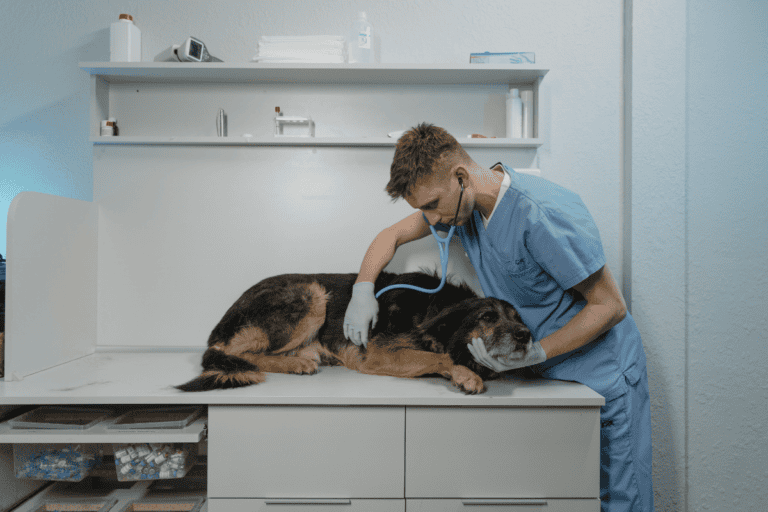
Your vet will take a thorough history noting when symptoms began and any seasonal patterns. Physical examination includes listening carefully to lung sounds with a stethoscope to detect wheezing. Chest radiographs are essential, showing characteristic patterns of airway thickening and hyperinflation. Your vet may also recommend bronchoalveolar lavage, a procedure obtaining airway samples for microscopic examination. These samples reveal inflammatory cells confirming diagnosis. Blood tests rule out other conditions causing similar symptoms.
Distinguishing asthma from other respiratory conditions is crucial for appropriate treatment. Bronchitis, pneumonia, and viral infections can mimic early symptoms. Your vet will consider your cat’s age, symptom progression, and examination findings when determining diagnosis. Some cats develop both asthma and chronic bronchitis simultaneously, complicating matters. Allergy testing may help identify triggering allergens contributing to the condition. Once confirmed, your vet will recommend management strategies specific to your cat’s situation.
Environmental Triggers and Management
Environmental modification significantly reduces symptoms in many cats. Cigarette smoke exposure increases severity, so eliminating smoking benefits affected cats. Dust and litter dust trigger symptoms, making dust-free litter essential. Paper-based or pellet litters produce less dust than clay formulations. Air purifiers with HEPA filters remove airborne irritants contributing to the problem. Reducing household chemical use, including perfumes and cleaning products, minimizes airway irritation. Your vet can help identify specific triggers in your home environment.
Maintaining optimal humidity levels reduces symptoms in many cats. Humidifiers in winter and dehumidifiers in summer help regulate moisture, preventing irritation. Regular litter box cleaning prevents dust and ammonia buildup triggering symptoms. Providing multiple litter boxes in different locations reduces stress-related issues. Stress reduction through environmental enrichment, play, and consistent routines helps manage the condition. Weight management through appropriate diet and exercise reduces respiratory stress on affected cats.
Medication and Treatment Options
Inhaled corticosteroids represent the primary treatment for managing asthma. These medications reduce airway inflammation, significantly improving breathing and reducing coughing. Cats can learn to use inhalers with training and special chambers designed for feline use. Bronchodilators help relieve airway constriction and can provide rapid relief during acute episodes. Your vet may recommend combining medications for optimal symptom control. Dosage and frequency adjustments depend on your cat’s response to initial treatment.
Oral medications provide alternatives for cats unable to use inhalers effectively. Corticosteroid tablets control inflammation, though side effects require careful monitoring. Some cats respond well to combination therapy using multiple medication types. Immunosuppressive medications may benefit cats with severe symptoms unresponsive to standard treatment. Your vet will monitor treatment effectiveness through periodic reassessment. Regular communication about response to medication helps optimize your cat’s management plan.
Long-term Management and Monitoring
Successful long-term management requires consistent medication administration and environmental control. Most cats benefit from ongoing inhaled corticosteroid treatment preventing flare-ups. Your vet will establish a monitoring schedule to assess medication effectiveness and adjust doses as needed. Periodic chest radiographs help evaluate lung changes over time. Documenting symptom frequency and severity helps track disease progression. Regular veterinary visits ensure consistent management and early detection of complications.
Home monitoring is equally important for ongoing management. Track coughing frequency, wheezing episodes, and breathing changes. Note any correlation between symptoms and specific environmental factors or activities. Report significant changes to your vet promptly, as increasing symptoms may indicate inadequate medication control. Maintain records of medication administration to ensure consistency. Some cats can reduce medication doses over time if symptoms remain well-controlled, though this should only occur under veterinary guidance.
Emergency Situations and When to Seek Care
Severe asthma attacks represent medical emergencies requiring immediate veterinary attention. Cats showing severe respiratory distress, open-mouth breathing, or lethargy need emergency evaluation. Failure to respond to medication within minutes of administration indicates serious complications. Excessive drooling, cyanotic (bluish) gums, or loss of consciousness represent critical emergency signs. Your vet may provide oxygen therapy, injectable medications, or other emergency interventions. Establishing a relationship with an emergency clinic ensures rapid access to care if symptoms become critical.
Knowing your cat’s baseline symptoms helps identify when changes warrant veterinary evaluation. Increased coughing frequency, worsening wheezing, or reduced activity tolerance suggest medication adjustment is needed. Never wait to contact your vet if symptoms change suddenly. Early intervention prevents progression to dangerous levels. Keeping rescue medications available for acute episodes provides peace of mind. Your vet can instruct you on when and how to administer emergency medications at home.
Conclusion
Feline asthma symptoms require prompt recognition and consistent management to maintain your cat’s quality of life. Early identification of coughing, wheezing, and breathing changes enables timely diagnosis and treatment initiation. Working with your vet to identify triggers and implement environmental modifications complements medication therapy. Proper medication administration and consistent monitoring ensure optimal asthma control. While feline asthma is lifelong, most cats achieve excellent symptom control through appropriate management, allowing them to live happy, active lives. Your veterinarian is your best resource for managing the condition and answering questions about your individual cat’s care.
Think Your Cat May Have Asthma?
If your cat is coughing, wheezing, or showing signs of breathing difficulty, our veterinary team is here to help. We’ll evaluate your cat’s respiratory health, perform the necessary diagnostics, and develop a treatment plan to help your cat breathe easier.
Call our office or request an appointment online today to discuss your cat’s respiratory symptoms.