Infected Spay Incision Dog | Signs & Treatment
Spaying is a routine surgical procedure that protects female dogs from reproductive diseases. However, post-surgical complications can occur, including incision infections. Recognizing the signs of infection enables prompt treatment preventing serious complications. The good news: most cases respond well to appropriate antibiotics and care. Understanding what constitutes normal healing versus infection helps you identify problems early. Your vet should evaluate any concerning symptoms during the recovery period. Early intervention prevents progression to serious infections affecting your dog’s overall health.
Normal Healing After Spay Surgery
Understanding normal post-surgical healing helps you distinguish infection from expected recovery signs. Incision sites appear somewhat swollen and pink immediately after surgery, gradually improving over days. Minimal discharge may be present initially as the body resorbs surgical fluids. Slight redness at the incision edges normally resolves within a few days. Your dog may be uncomfortable, influencing activity level and appetite temporarily. Pain management medications prescribed by your vet support comfort during normal healing.
Most incisions heal completely within 10-14 days, with sutures removed at the two-week mark. The incision should gradually become less visible as healing progresses. Swelling and bruising typically improve within a few days post-operatively. Your vet will evaluate healing at the suture removal appointment. Following post-operative care instructions, including activity restriction and incision protection, supports normal healing. This critical window requires protecting the incision from contamination and moisture exposure.
Early Signs of Infection
Early detection prevents serious progression. Increased swelling that worsens after initial post-operative days suggests infection. Redness that intensifies beyond normal post-surgical inflammation indicates a problem. Discharge changes from clear serum to pus or cloudy fluid signal infection. Your dog may lick or chew at the incision excessively, introducing bacteria or removing stitches. Increased pain, particularly if your dog was improving then suddenly became painful again, indicates infection. Contact your vet immediately if you notice these early warning signs.
Behavior changes may indicate infection even before obvious physical signs appear. Your dog may become reluctant to move or play if the incision is painful. Decreased appetite can develop as systemic illness progresses. Fever may develop, though you may only notice lethargy or depression. Some dogs show increased licking or attention to the surgical area. Your vet should examine any behavioral changes occurring during the post-operative period, particularly if infection is suspected.
Advanced Infections and Complications
If an infection progresses without treatment, serious complications develop. Significant swelling, heat, and pus production characterize advanced cases. The incision may open or separate as tissue integrity deteriorates. Purulent drainage increasing in volume suggests developing abscess formation. Your dog may show signs of systemic illness including fever, lethargy, and decreased appetite. Some dogs develop cellulitis, a spreading soft tissue infection surrounding the incision. These advanced symptoms require aggressive treatment preventing sepsis and organ involvement.
Severe infections may involve deeper structures including abdominal organs. Signs of peritonitis, such as severe abdominal pain and fever, indicate life-threatening complications. Some dogs with untreated infections develop sepsis, a systemic inflammatory response to infection. Shock symptoms including pale mucous membranes, rapid heart rate, and weakness indicate critical illness. These serious situations require emergency veterinary intervention. Aggressive antibiotic therapy, possible surgical intervention, and supportive care become necessary.
Risk Factors for Infection
Certain factors increase susceptibility to post-operative complications. Excessive licking or chewing contaminates the surgical site and disrupts healing. Exposure to moisture including swimming or baths before suture removal facilitates infection. Contaminated environments or poor post-operative care increase bacterial contamination risk. Immunocompromised dogs struggle controlling normal bacteria, increasing infection risk. Underlying medical conditions including diabetes or obesity impair wound healing. Dogs not receiving prescribed post-operative antibiotics face higher risk. Understanding these factors helps you implement prevention strategies.
Surgical technique factors also influence infection risk. Overly tight suturing can create tissue ischemia predisposing to infection. Inadequate hemostasis during surgery may result in seroma formation creating complications. Extended surgical time increases infection risk due to prolonged anesthesia and tissue trauma. Your vet uses sterile technique and appropriate antibiotics to minimize risk. Surgical skill and experience significantly impact complication rates. Choosing experienced surgeons reduces infection incidence.
Prevention Strategies
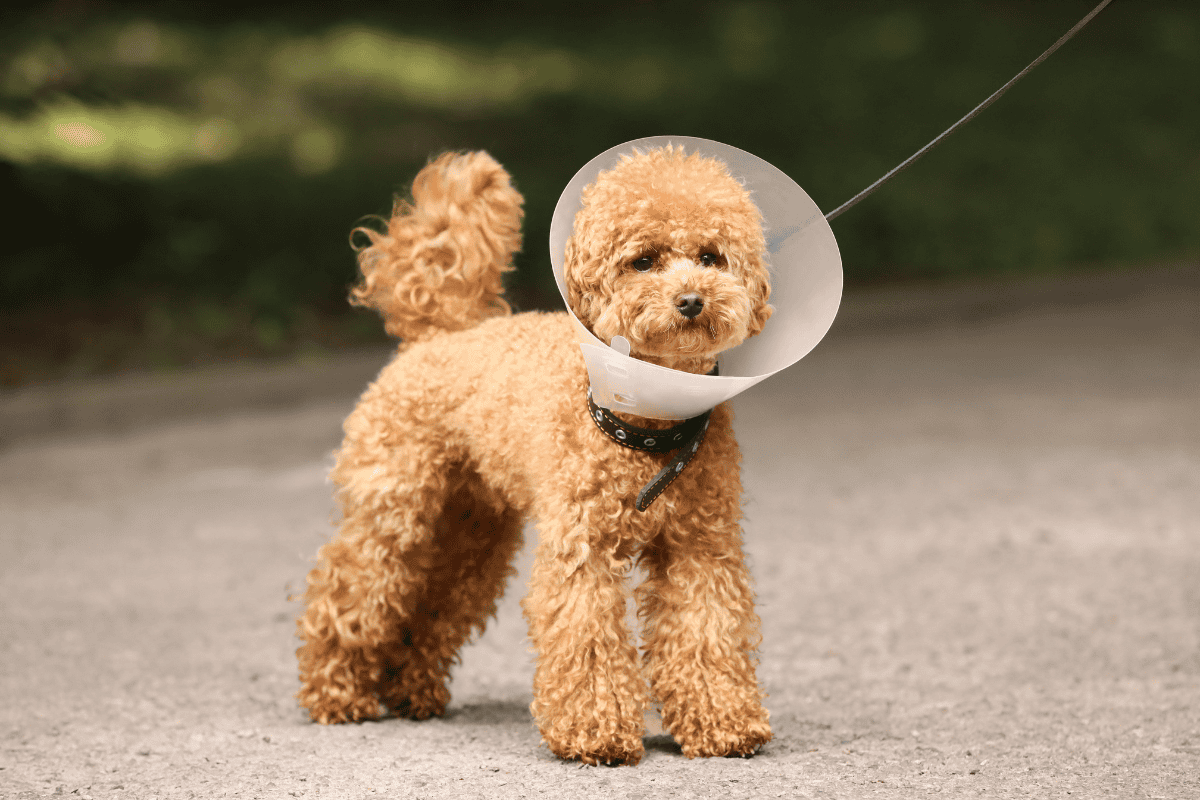
Preventing infection starts with strict post-operative care adherence. Keep the incision clean and dry throughout healing. Restrict your dog’s activity as directed by your vet, avoiding jumping and running that stress the incision. Prevent licking and chewing through e-collar use consistently during the recovery period. Avoid bathing or swimming until sutures are removed and your vet approves. Clean the incision area gently with prescribed solutions if directed. Administer prescribed antibiotics for the full duration, even if your dog appears healthy. These measures significantly reduce infection risk.
Environmental control prevents contamination contributing to infection. Keep your dog’s sleeping area clean and comfortable with washable bedding. Maintain appropriate sanitation when other animals are present in the home. Prevent your dog from sleeping on dirty floors or playing in muddy areas during recovery. Minimize stress through quiet environments and limiting excessive handling. Monitor the incision daily for any changes. Report concerns to your vet immediately rather than waiting for the suture removal appointment. Vigilant monitoring prevents minor issues from progressing to serious infections.
Diagnosing Incision Infections
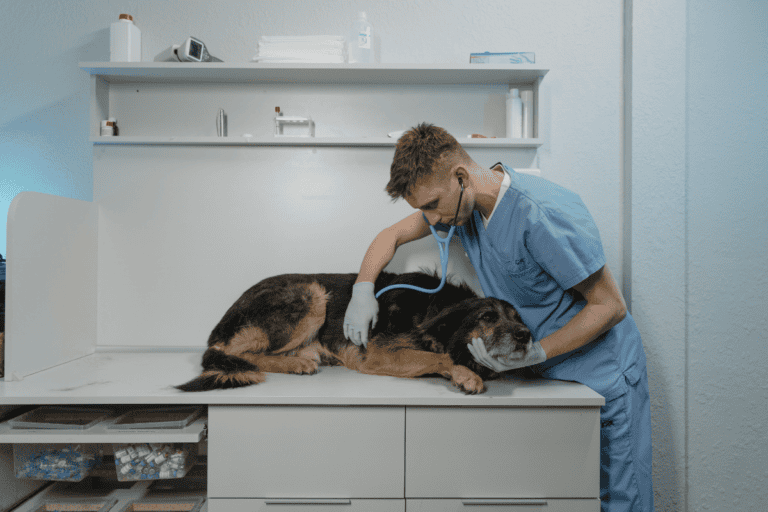
Your vet diagnoses infection through physical examination and clinical signs. Visual inspection reveals incision characteristics including color, discharge type, and degree of separation. Gentle palpation assesses heat, swelling, and pain. Cytology samples from discharge may be examined microscopically to identify bacteria or inflammatory cells. Culture samples from discharge identify specific bacteria and guide antibiotic selection. Blood work including complete blood count and chemistry panel assesses systemic effects. Ultrasound or radiographs may reveal abscess formation or internal complications.
Early diagnosis significantly improves treatment outcomes. Your vet will determine if infection is localized to the incision or extends deeper. Systemic signs including fever or elevated white blood cell counts indicate spreading infection. Culture results guide antibiotic therapy, potentially changing initial antibiotic selections. Imaging may reveal abscess pockets requiring drainage or advanced infection involving organs. Comprehensive evaluation ensures appropriate treatment for your specific situation.
Treatment of Infections
Treatment depends on infection severity. Localized early infections typically respond to systemic antibiotics without surgical intervention. Your vet selects antibiotics based on likely organisms or culture results. The condition improves with appropriate antibiotic selection and consistent administration. Topical wound care using prescribed solutions supports incision healing. Pain management medications reduce discomfort and improve your dog’s comfort level. Most mild cases resolve within 7-10 days of antibiotic initiation.
Advanced infections may require additional interventions. Surgical drainage of abscess pockets becomes necessary if infection has localized. Your vet may need to open the incision to clean infected tissue and improve drainage. Sutures may need removal to prevent trapping bacteria and impeding healing. Repeated wound flushes remove infected material and promote healing. Hospitalization may be necessary for severe cases requiring intravenous antibiotics or intensive monitoring. Follow-up examinations ensure improvement with treatment.
Post-treatment Care and Recovery
Recovery requires continued careful monitoring. Complete the full course of prescribed antibiotics even if your dog appears completely healed. Continue activity restriction until your vet clears your dog for normal exercise. Monitor the incision site daily for any return of infection signs. Keep the area clean and dry throughout the extended recovery period. Your vet will schedule follow-up examinations to assess healing and confirm resolution.
Most dogs recover completely from post-operative infections with appropriate treatment. However, severe infections may result in scarring or prolonged healing. Your vet will monitor incision healing to ensure complete recovery. Gradual return to normal activity as healing progresses allows your dog to regain strength. Most dogs return to normal function without long-term consequences. Preventive measures for future surgeries reduce recurrence risk.
Conclusion
Infected spay incisions are preventable through meticulous post-operative care. Understanding normal healing helps you identify abnormal signs promptly. Early recognition and veterinary evaluation prevent progression to serious complications. Strict adherence to post-operative care instructions significantly reduces infection risk. Your vet should evaluate any concerning symptoms immediately rather than waiting. With proper prevention and prompt treatment, most cases resolve without complications, allowing your dog to make a full recovery and resume normal activities.
Concerned About Your Dog’s Spay Incision?
If your dog’s spay incision looks red, swollen, or is producing discharge, don’t wait to seek help. Our veterinary team will evaluate the incision, provide treatment if needed, and ensure your dog heals properly.
Call our office or request an appointment online today if you have any concerns about your dog’s surgical recovery.