Puppy Crate Anxiety: How to Recognize It and Help Your Puppy Feel Safe
Crate training is often recommended as a helpful tool for raising a well-adjusted puppy, but for some dogs, the crate can become a source of fear rather than comfort. Puppy crate anxiety is a common issue that many pet owners face, especially during the first few weeks or months after bringing a new puppy home.
While some whining or protest is normal at the beginning, ongoing distress is not. Understanding what puppy crate anxiety looks like, why it happens, and how to address it early can prevent long-term behavioral issues and help your puppy feel safe and secure.
What Is Puppy Crate Anxiety?
Puppy crate anxiety occurs when a puppy experiences significant stress, fear, or panic when placed in a crate. Instead of viewing the crate as a cozy, secure den, the puppy associates it with isolation, confinement, or abandonment.
This anxiety can range from mild discomfort to intense panic, and it often worsens if not addressed properly. Left untreated, puppy crate anxiety can evolve into broader separation anxiety or destructive behaviors later in life.
Signs of Puppy Crate Anxiety
It’s important to recognize the difference between normal adjustment behavior and true anxiety. Common signs of puppy crate anxiety include:
- Excessive whining, barking, or howling that does not improve over time
- Scratching, biting, or attempting to escape the crate
- Drooling, panting, or trembling while crated
- Accidents in the crate despite proper house training
- Refusal to enter the crate voluntarily
- Signs of panic when the crate door closes
If your puppy only vocalizes briefly and then settles, that’s usually part of the learning process. Persistent or escalating distress is a sign that puppy crate anxiety may be present.

Why Do Puppies Develop Crate Anxiety?
There are several reasons why a puppy may struggle with being crated. Understanding the root cause helps guide the solution.
Sudden Separation
Many puppies experience crate anxiety shortly after leaving their litter and mother. Being confined alone in a crate can feel overwhelming during this major life transition.
Negative Early Experiences
If a puppy was crated for long periods, used the crate as punishment, or had a frightening experience while crated, they may associate it with fear.
Lack of Gradual Introduction
Placing a puppy in a crate for extended periods without proper acclimation often triggers anxiety. Puppies need time to learn that the crate is a safe place.
Excess Energy or Boredom
A puppy with pent-up energy may become frustrated and anxious when confined. Mental and physical stimulation are essential before crating.
Temperament and Sensitivity
Some puppies are naturally more sensitive or prone to anxiety. These puppies may require a slower, more customized approach to crate training.
Is Puppy Crate Anxiety Normal?
Yes — puppy crate anxiety is common, but it is not something puppies should be forced to “cry out.” While mild protest can be normal, panic behaviors indicate distress that needs to be addressed.
Ignoring severe crate anxiety can lead to:
- Injury from escape attempts
- Increased fear of confinement
- Separation anxiety
- Long-term behavioral problems
Early intervention makes a significant difference.
How to Help a Puppy With Crate Anxiety
Helping a puppy overcome crate anxiety requires patience, consistency, and positive reinforcement.
Make the Crate a Positive Space
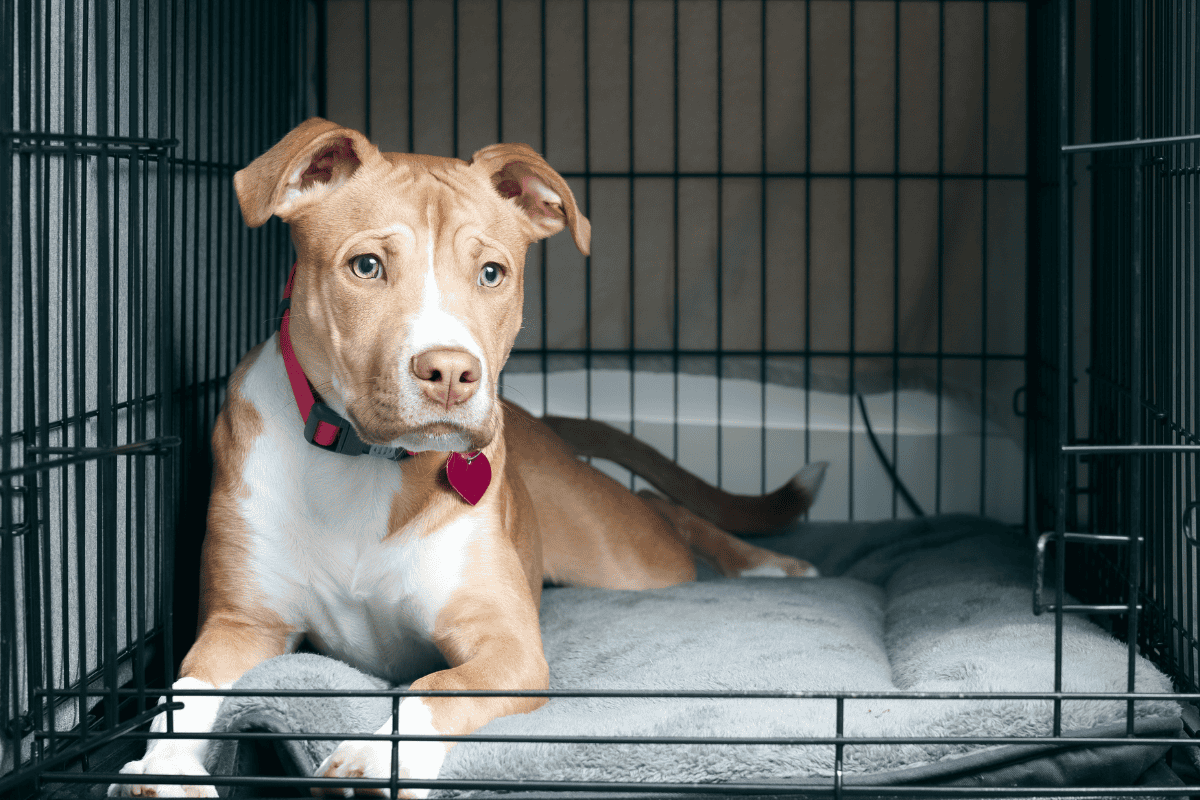
The crate should always feel safe and comfortable. Use soft bedding, familiar scents, and appropriate chew toys. Never use the crate as punishment.
Introduce the Crate Gradually
Start with short, positive experiences. Allow your puppy to explore the crate with the door open. Toss treats inside and let them enter willingly.
Feed Meals Near or Inside the Crate
Feeding your puppy near the crate — and eventually inside it — helps build positive associations.
Practice Short Crate Sessions
Begin with very short periods of crating while you’re still nearby. Gradually increase the time as your puppy becomes more comfortable.
Provide Exercise Before Crating
A tired puppy is more likely to relax. Ensure your puppy has had appropriate physical activity and mental stimulation before crate time.
Keep Departures Low-Key
Avoid dramatic goodbyes or greetings. Calm departures help prevent anxiety buildup.
What NOT to Do With Puppy Crate Anxiety
Certain approaches can make anxiety worse, even if they’re well-intentioned.
- Do not force your puppy into the crate
- Do not yell or scold for crying
- Do not use the crate only when leaving the house
- Do not crate for excessive periods
- Do not ignore signs of panic or distress
These actions can reinforce fear and prolong anxiety.
How Long Does Puppy Crate Anxiety Last?
With consistent, positive training, many puppies improve within a few weeks. However, every puppy is different. Some may need more time, especially if anxiety is severe or tied to separation issues.
If progress stalls or symptoms worsen, professional guidance may be needed.
When to Seek Professional Help
You should consult a veterinarian or behavior professional if:
- Anxiety does not improve after several weeks
- Your puppy injures themselves trying to escape
- Crate anxiety occurs alongside separation anxiety
- Your puppy stops eating or shows signs of extreme stress
In some cases, underlying medical issues or anxiety disorders may contribute to the behavior and require additional support.
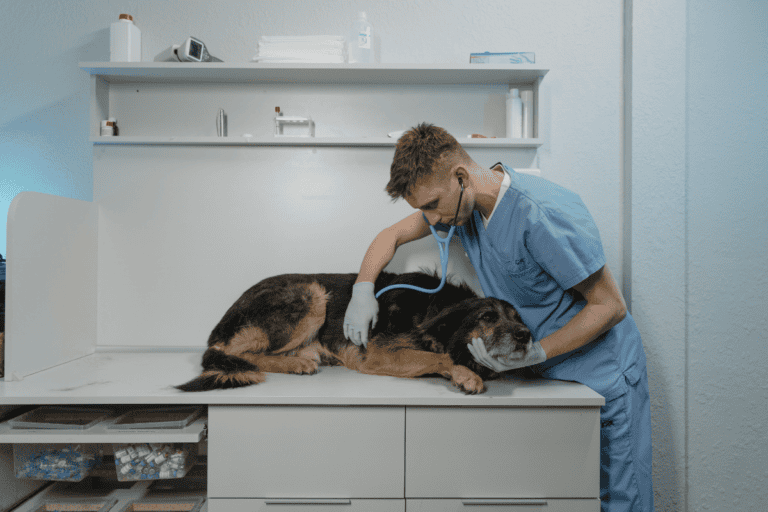
Can a Veterinarian Help With Puppy Crate Anxiety?
Yes. Veterinarians can:
- Rule out medical causes of distress
- Provide guidance on behavior modification
- Recommend training resources or specialists
- Discuss short-term anxiety management options if appropriate
Addressing puppy crate anxiety early helps prevent long-term emotional stress and creates a healthier foundation for your dog’s future.
Final Thoughts
Puppy crate anxiety can be challenging, but it’s also highly manageable with patience and the right approach. The goal of crate training is not confinement — it’s comfort and security.
By understanding your puppy’s needs and responding with compassion, you can help them learn that the crate is a safe place where they can relax and feel at ease.
Struggling With Puppy Crate Anxiety?
If your puppy shows signs of crate anxiety or distress, our veterinary team is here to help. We can assess your puppy’s behavior, rule out underlying issues, and guide you toward safe, effective solutions.
Call our office or request an appointment online today to support your puppy’s emotional well-being.