Is Toilet Training Bad for Cats? What Every Cat Owner Should Know
Many cat owners are drawn to the idea of toilet training their cats. No litter box to clean, no litter tracking through the house, and no odors — it sounds like a dream. But before you start Googling kits and training timelines, it’s important to ask the real question: is toilet training bad for cats?
While toilet training may seem convenient for humans, it can come with significant risks for cats. Veterinarians and feline behavior experts largely agree that toilet training is not in a cat’s best interest. In this article, we’ll explore why toilet training cats is controversial, how it affects feline health and behavior, and what safer alternatives exist.
What Is Toilet Training for Cats?
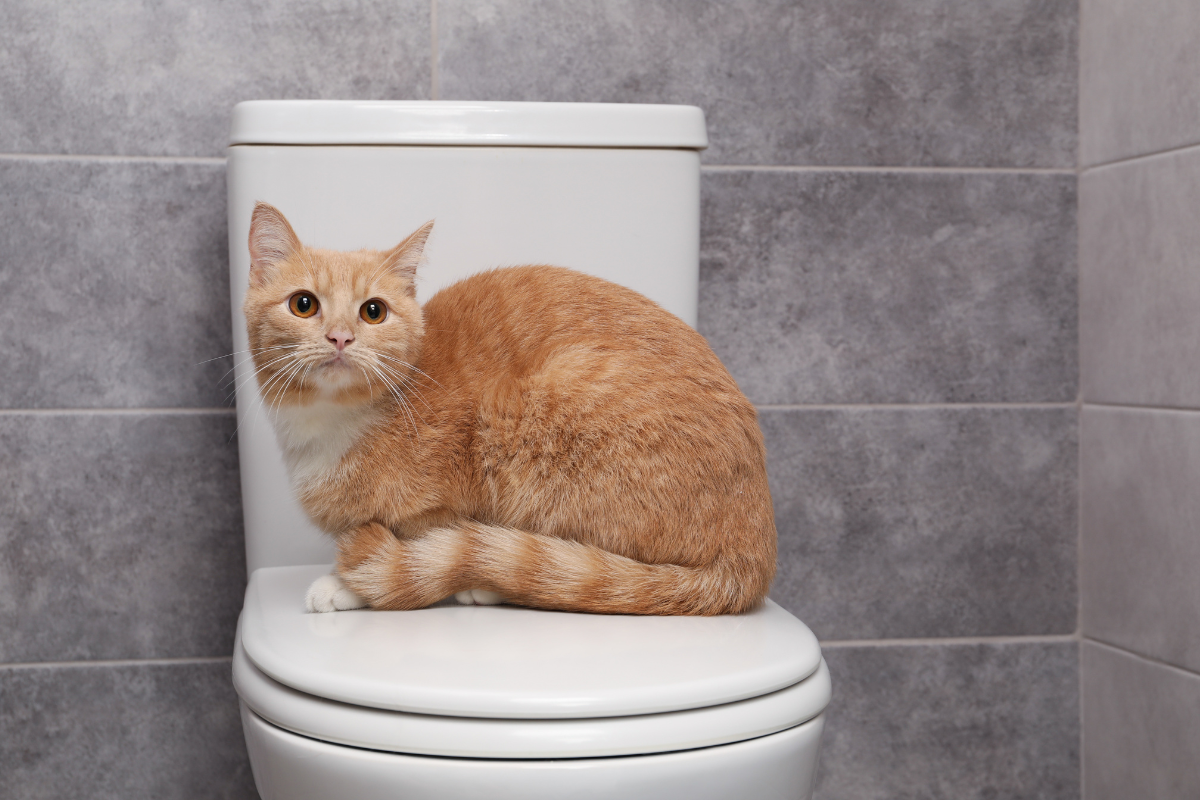
Toilet training involves teaching a cat to use a human toilet instead of a litter box. This is usually done gradually with a training kit that sits over the toilet bowl and slowly removes litter while encouraging the cat to balance on the seat.
On the surface, the process may appear harmless — but cats are not wired to use toilets, and forcing them to do so goes against many of their natural instincts.
Is Toilet Training Bad for Cats?
In short, yes — toilet training is generally considered bad for cats. While some cats may tolerate it, most veterinarians and behaviorists advise against it due to the physical, behavioral, and emotional risks involved.
To understand why, it’s important to look at how cats naturally behave and what they need to feel safe and healthy.
Why Toilet Training Goes Against Natural Cat Behavior
Cats instinctively bury their waste. This behavior is deeply rooted in their survival instincts, as burying waste helps conceal their presence from predators. A toilet removes this ability entirely.
Litter boxes allow cats to:
- Dig before eliminating
- Bury waste afterward
- Feel secure while eliminating
- Choose a comfortable stance
Toilet training eliminates all of these behaviors, which can create stress and anxiety over time.

Physical Risks of Toilet Training Cats
One major reason veterinarians warn against toilet training is the physical strain it places on cats.
Balance and Joint Stress
Toilets are slippery, elevated, and unstable. Cats must balance on a narrow surface, which can strain joints — especially for:
- Senior cats
- Overweight cats
- Cats with arthritis or joint disease
A slip or fall can result in injury and may cause a cat to associate pain or fear with elimination.
Increased Risk of Injury
Unlike a litter box, a toilet offers no stable footing. Even young, agile cats can slip, particularly at night or when startled.
Behavioral Problems Linked to Toilet Training
Another key concern when asking is toilet training bad for cats is how it impacts behavior.
Litter Box Avoidance
Cats trained to use the toilet may struggle if they ever need to use a litter box again — such as during travel, illness, or boarding. This can lead to inappropriate elimination around the home.
Stress and Anxiety
Elimination is a vulnerable moment for cats. If they don’t feel secure, they may delay going to the bathroom, which can cause stress and health issues.
Loss of Communication
Cats communicate through scent. Eliminating waste in water removes important scent markers that help cats feel secure in their environment.
Health Concerns Veterinarians Worry About
Perhaps one of the biggest reasons professionals answer “yes” to is toilet training bad for cats is because it can delay medical diagnosis.
Missed Health Warning Signs
Litter boxes allow owners to monitor:
- Urine volume
- Stool consistency
- Frequency of elimination
- Presence of blood or mucus
These are often the first signs of serious conditions like urinary tract infections, kidney disease, diabetes, or gastrointestinal issues. When a cat uses the toilet, these warning signs are flushed away — literally.
Delayed detection can lead to more severe illness and higher treatment costs.
What Happens If a Toilet-Trained Cat Can’t Access a Toilet?
Life isn’t always predictable. What happens if:
- The bathroom door is closed?
- The toilet lid is down?
- The cat is staying with a sitter or boarding facility?
- The household moves?
Cats that rely on toilets may refuse to use a litter box and instead eliminate on floors, furniture, or bedding. This creates frustration for owners and distress for the cat.
Are There Any Benefits to Toilet Training Cats?
From a human perspective, toilet training may offer:
- Less litter mess
- Reduced litter costs
- Fewer odors
However, these benefits prioritize convenience over feline welfare. When weighing the pros and cons, the risks to a cat’s physical and emotional health far outweigh the perceived advantages.
Better Alternatives to Toilet Training
If litter box maintenance is the issue, there are far better solutions than toilet training.
Use High-Quality Litter
Low-dust, clumping litter can dramatically reduce odor and tracking.
Upgrade the Litter Box
Consider:
- Larger boxes
- Covered or high-sided boxes
- Self-cleaning litter boxes
Improve Litter Box Placement
Quiet, accessible locations help cats feel safe and reduce accidents.
Scoop Regularly
Scooping at least once daily keeps the box clean and encourages consistent use.
When to Talk to a Veterinarian
If your cat is resisting the litter box or you’re considering toilet training due to elimination issues, consult a veterinarian first. Litter box avoidance is often a sign of:
- Pain
- Stress
- Medical conditions
- Environmental changes
Addressing the root cause is always better than changing how your cat eliminates.
Final Thoughts
So, is toilet training bad for cats? For most cats, the answer is yes. Toilet training goes against natural instincts, increases the risk of injury, hides important health clues, and can create long-term behavioral problems.
While the idea may seem appealing, cats thrive when their needs are met — and a traditional, well-maintained litter box is the safest and healthiest option. If you’re struggling with litter box concerns, there are many cat-friendly solutions that don’t compromise your pet’s wellbeing.
When in doubt, your veterinarian is the best resource for guidance tailored to your cat’s health and behavior.
Have Questions About Litter Box Habits or Toilet Training?
If you’re wondering is toilet training bad for cats or have concerns about your cat’s bathroom behavior, our veterinary team is here to help. We can assess your cat’s health and recommend safe, stress-free solutions.
Call our office or request an appointment online today.