When to Take the Cone Off Your Dog After Neutering
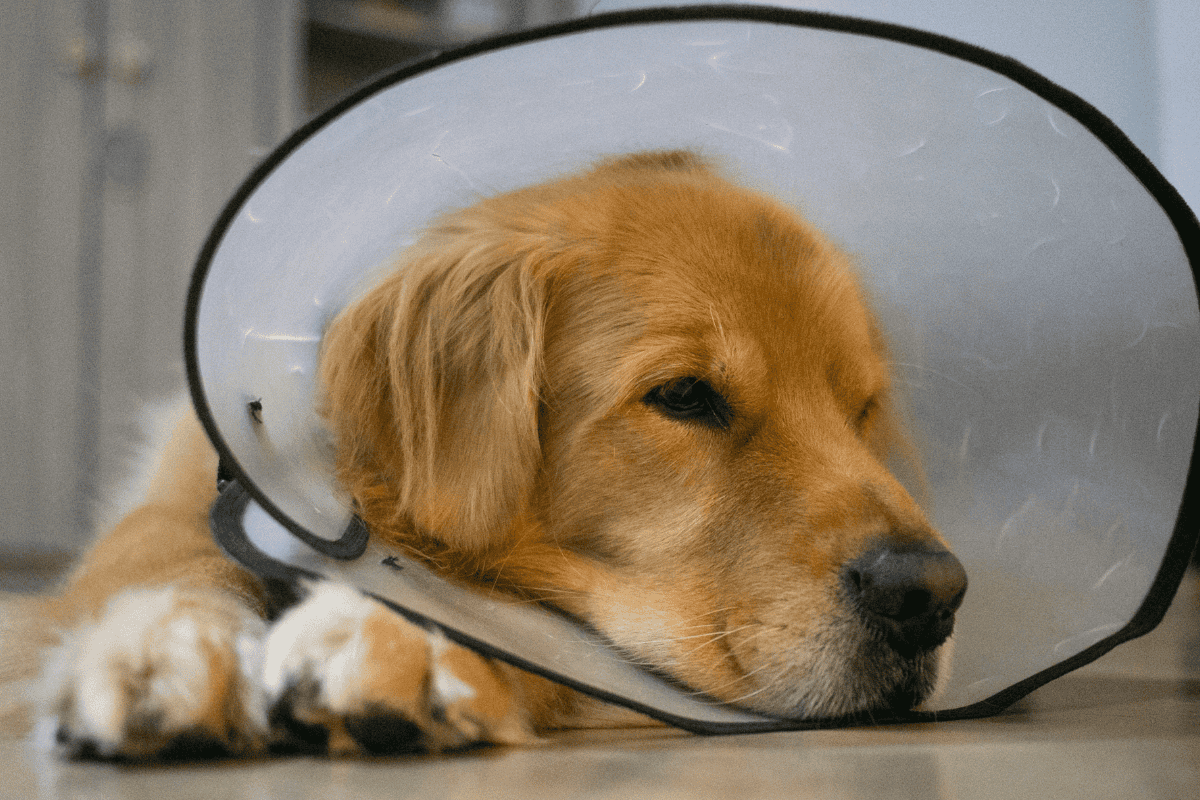
That plastic cone around your pup’s head isn’t the most stylish accessory, but it’s genuinely one of the most important tools for a smooth recovery. After neutering surgery, your dog’s surgical site needs protection from their natural instinct to lick and chew. Your vet placed that cone there for a reason: to prevent self-trauma that could lead to infection, wound opening, or complications requiring additional treatment. Understanding the recovery timeline helps you know what to expect and when it’s finally safe to ditch the cone.
In those first few days after surgery, your dog will feel uncomfortable and sore at the incision site. That natural discomfort triggers their instinct to investigate and lick the area—and that’s when problems start. A clean surgical site can quickly become infected if your dog keeps licking it. The cone creates a physical barrier, giving your dog’s body a chance to work through the initial healing phase without constant interference. Your vet selected an appropriate cone size based on your dog’s measurements to keep it effective without adding unnecessary stress.
Timeline for Cone Removal: Standard Recovery Period
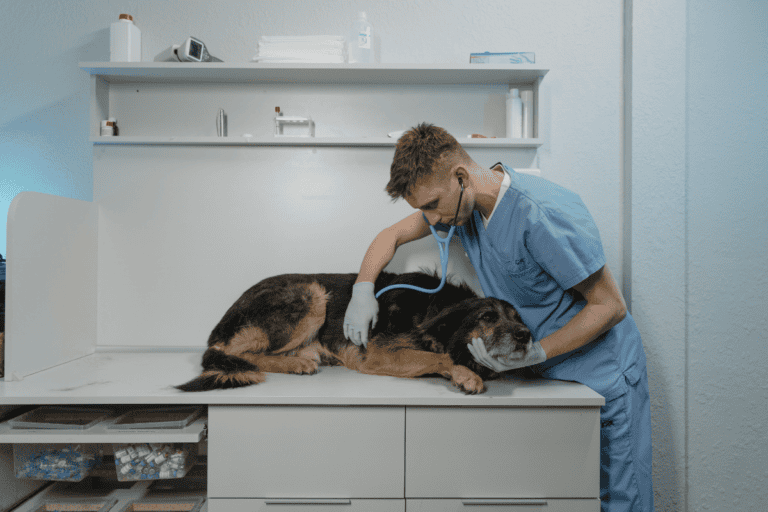
Most vets recommend keeping the cone on for 10-14 days following neutering. This timeframe aligns with typical healing, since the incision starts forming that protective scar tissue layer around day 10 or so. That said, the exact timeline depends on several factors—your dog’s size, age, breed, and individual healing capacity all play a role. Your vet will examine the incision at a post-operative check-up (usually scheduled 7-10 days after surgery) to see how your specific pup is healing and whether earlier removal might be possible.
Smaller dogs sometimes heal a bit faster, while larger breeds occasionally need extended protection. Senior dogs may need extra time for their immune systems to establish proper wound healing. If your dog has been particularly aggressive about licking or if complications have popped up, your vet might recommend extended cone wear. Never remove it without explicit approval from your veterinary team—premature removal significantly increases the risk of infection and complications.
Signs Your Dog Is Ready for Cone Removal
Before you celebrate cone-free status, watch for several healing indicators. The incision should appear dry with no discharge, redness, or swelling around it. The skin might still look slightly pink, but the active inflammation should have mostly calmed down. Your dog should show renewed interest in normal activities without constantly licking or fixating on the surgical area. These signs suggest the wound has moved through the early inflammatory phase and is entering the strengthening phase where scar tissue is forming properly.
Another key indicator is your dog’s behavior when you carefully observe the surgical area without the cone. If your pup immediately tries to lick or chew the incision when briefly exposed, that’s a clear sign the cone needs to stay on. Conversely, if your dog shows minimal interest in the area and demonstrates normal grooming behavior elsewhere on their body, the healing has likely progressed far enough. Always observe these indicators during vet-supervised examinations rather than conducting unsupervised trials at home.
Managing Cone Discomfort and Behavioral Issues
Let’s be honest—dogs wearing recovery cones often experience frustration, anxiety, and behavioral changes. The cone restricts their peripheral vision, affects their balance when navigating doorways and furniture, and prevents normal grooming and social interactions with other pets. Many dogs refuse to eat or drink initially while wearing it, requiring careful feeding management. Some become lethargic or depressed. Understanding these common responses helps you support your recovering pup effectively.
Creating a comfortable recovery space reduces cone-related stress considerably. Use soft bedding, ensure easy access to food and water bowls (you may need to widen them or use elevated feeders), and maintain a calm environment with minimal excitement or rough play. Engage your dog in quiet, mentally stimulating activities like puzzle toys or scent games that don’t require physical exertion. During recovery, limit exercise and outdoor time to brief, supervised bathroom breaks to prevent your dog from catching the cone on doorways or furniture.
Post-Cone Recovery and Incision Care
After your vet approves cone removal, keep monitoring the incision for several additional days. The healing process doesn’t stop when the cone comes off; the wound continues strengthening and maturing. Watch for any signs of renewed licking, redness, discharge, or swelling that might indicate the removal was premature. If you notice anything concerning, contact your vet immediately—re-application of the cone might be necessary.
Maintain proper incision hygiene by keeping the area clean and dry. Your vet will provide specific bathing instructions—most recommend avoiding full submersion of the incision for the first two weeks. When cleaning around the area, use only sterile saline or water unless your vet recommends specific topical treatments. Avoid using human wound products or over-the-counter medications without veterinary approval, as some ingredients can irritate the sensitive healing tissue or interfere with normal wound closure.
When to Contact Your Veterinarian Immediately
Certain complications warrant immediate veterinary attention regardless of the recovery timeline. Contact your vet if the incision shows increased swelling, drainage (especially if discharge appears yellow, green, or blood-tinged), or unpleasant odors. If your dog develops a fever, shows signs of pain, or refuses to eat or drink, these indicate potential infection or serious complications. Additionally, if your dog manages to remove their cone and immediately traumatizes the incision, or if the skin around it opens or separates, seek prompt evaluation.
Some dogs develop allergies or sensitivities to the cone material itself, resulting in hair loss, skin irritation, or rashes on the face and neck. If you notice your dog having adverse reactions, inform your vet so they can provide alternative cone styles or materials. Never assume these reactions will resolve on their own—your veterinary team can provide solutions that maintain effective protection while addressing your dog’s specific needs.
Preventing Future Complications Through Proper Healing Support
The recovery period following neutering is temporary but crucial for your dog’s long-term health and preventing costly complications. While the cone may seem inconvenient, it represents one of the most effective ways to ensure proper wound healing and reduce infection rates. Your commitment to maintaining cone protection as recommended directly influences your dog’s recovery success and prevents serious complications that could require additional surgical intervention.
After complete healing, your dog will resume normal activities with a properly healed incision that typically becomes a barely visible line within several weeks to months. The investment in proper recovery management ensures your pup heals optimally and returns to full activity safely. Maintain regular veterinary check-ups to monitor your dog’s overall healing progress, and don’t hesitate to contact your veterinary team with any questions or concerns throughout the recovery period.
Questions About Your Dog’s Post-Neuter Recovery?
If you’re unsure when it’s safe to remove your dog’s cone or have concerns about the healing process, our veterinary team is happy to help. We’ll check your dog’s incision and let you know when recovery is complete.
Call our office or request an appointment online today to schedule a post-surgery follow-up for your dog.