
Pet Travel Requirements in Texas: What You Need to Know
Are you planning a trip with your furry best friend? Getting your pet ready to travel from Texas can feel overwhelming, but it doesn’t have to be. Whether you’re headed out of state or catching an international flight, understanding what’s required will make the whole process smooth and stress-free. Your vet is your go-to resource here—they can guide you through the regulations and help you gather everything your pet needs based on where you’re headed.
Understanding Texas Pet Travel Documentation
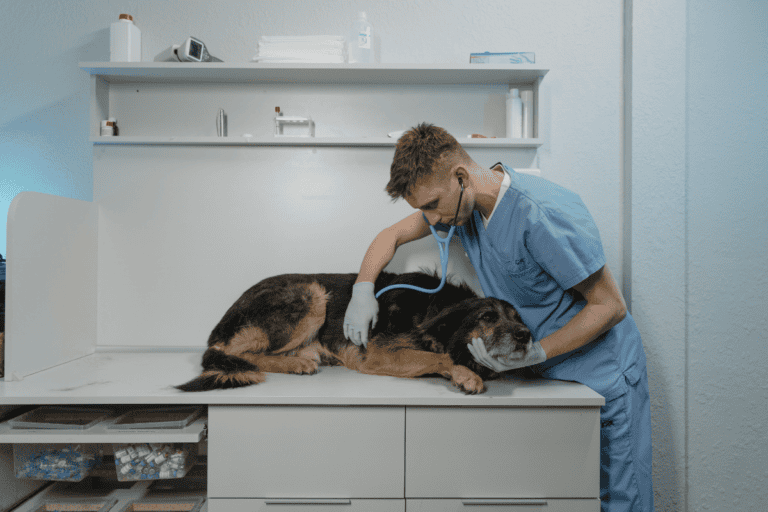
Before you hit the road or head to the airport, your pet will need proper paperwork. A few weeks before departure, ask your vet for a health certificate. This document confirms your pet is healthy enough to travel and needs to be issued within ten days of your trip. You’ll also want your pet’s vaccination records readily available—most states require proof of rabies protection, which is typically valid for one or three years depending on which vaccine your vet uses.
A microchip is another smart investment for traveling pets, especially if they’re flying or crossing state lines. Your vet can implant one during a quick office visit, and it provides permanent identification if your pet gets lost. When you register the microchip, make sure your current contact information is saved. Many states now require this information as part of travel requirements, making it a crucial step for interstate or international journeys.
Airline-Specific Pet Travel Requirements in Texas
Different airlines have their own rules about pets in the cabin, so check with your carrier before booking. Most major airlines allow one pet per passenger, though fees typically run seventy-five to one hundred fifty dollars per flight. Your vet can provide the health certificate airlines require, which must be issued within ten days of travel. Before purchasing a carrier, check your airline’s website for specific dimensions and ventilation requirements—they’re pretty particular about these details.
Some airlines offer temperature-controlled cargo holds for larger pets that don’t fit cabin dimensions. However, most vets recommend keeping your pet in the cabin with you whenever possible to minimize stress and health risks. Your vet can discuss the safest travel option for your specific pet, considering their age, breed, and health. Arriving at the airport early also helps—it gives your companion time to acclimate to the environment and lets you complete check-in without rushing.
Health Certificates and Vaccination Requirements
The health certificate is absolutely essential for travel. This official document, issued by your vet, certifies that your pet is healthy and disease-free. It’s required for crossing state lines and absolutely mandatory if you’re traveling internationally. The certificate includes details about your pet’s physical exam, vaccinations, and microchip number. A Texas-licensed vet must issue it, and you can expect to pay between twenty-five and fifty dollars.
Vaccination requirements vary depending on your destination. If you’re staying within the United States, rabies vaccination is the main requirement, valid for either one or three years depending on the vaccine type. However, some states have additional requirements for diseases like leptospirosis or bordetella. International travel often requires additional vaccinations, and some countries have waiting periods after vaccination before entry is allowed. Your vet can research your specific destination and make sure your pet gets everything they need with proper timing.
Preparing Your Pet for the Journey
Beyond paperwork, your pet needs physical and mental preparation for travel. Schedule a pre-travel vet visit at least four to six weeks ahead. This gives your vet time to address any health concerns, update vaccinations if needed, and recommend preventive medications for travel-related illnesses. During this visit, discuss your travel plans in detail—your vet might suggest calming supplements, medications, or anxiety management techniques suited to your pet’s temperament.
Gradual familiarization works wonders for travel anxiety. Leave your pet’s carrier out for a few days and reward them for spending time inside it. Take short practice car rides to build confidence and prevent motion sickness. Make sure your pet’s ID tags are current with your cell number and any temporary contact information you’ll have during your trip. Pack familiar bedding, toys, and supplies—familiar items provide comfort and reduce anxiety during the journey.
International Pet Travel Requirements in Texas
International travel with your pet is significantly more complex than domestic trips. Most countries require a microchip, current vaccinations, a health certificate, and sometimes an import permit. Some destinations also demand blood tests or quarantine periods lasting weeks or months. Your vet can guide you through these requirements, though checking with the destination country’s embassy or agricultural department is smart too. Start the process at least three months before your planned departure date.
Canada, Mexico, and Caribbean islands each have unique rules that your vet should be familiar with. For example, Mexico requires a rabies vaccination within the past three years plus a health certificate issued within ten days of travel. Canada has similar requirements but might also ask for leptospirosis protection. Some destinations refuse entry to certain dog breeds regardless of vaccination status, so research breed restrictions early. Your vet can help you understand and meet all the requirements for your chosen destination.
Common Pet Travel Health Concerns
Travel can stress even adventurous pets, sometimes triggering health issues. Motion sickness, dehydration, and anxiety are common travel-related problems. Your vet can recommend medications or natural remedies to prevent these issues. Some pets develop stress-related diarrhea or lose their appetite during travel, so packing their regular food and treats works better than switching diets mid-journey. Maintaining a consistent feeding schedule and offering fresh water frequently throughout your travels helps keep your pet healthy.
Parasites are another concern, especially when traveling to unfamiliar regions. Your vet can recommend appropriate flea, tick, and heartworm prevention for your destination and the season. If you’re heading somewhere with infectious diseases not common in Texas, ask your vet about preventive measures. These recommendations are invaluable for keeping your companion healthy during your adventure.
Conclusion
Travel with your pet doesn’t need to be stressful when you have your vet’s support. A pre-travel checkup ensures your pet is healthy and properly documented for any journey. Whether you’re traveling domestically or internationally, your vet is your best partner for understanding requirements, obtaining documentation, and ensuring your pet’s safety throughout the adventure. With proper preparation and attention to the details, you and your furry companion will create wonderful travel memories together.
Planning to Travel with Your Pet?
If you’re preparing for travel with your pet, our veterinary team can help you navigate health certificates, vaccination requirements, and everything you need for a safe trip. We’ll make sure your pet is travel-ready.
Call our office or request an appointment online today to discuss travel preparation for your pet.