Regenerative Medicine (PRP) for Pets
PRP therapy uses your pet’s own natural healing properties to support recovery, reduce inflammation, and improve mobility—offering a gentle, innovative approach to long-term comfort.
Regenerative Medicine: Platelet Rich Plasma for Dogs and Cats
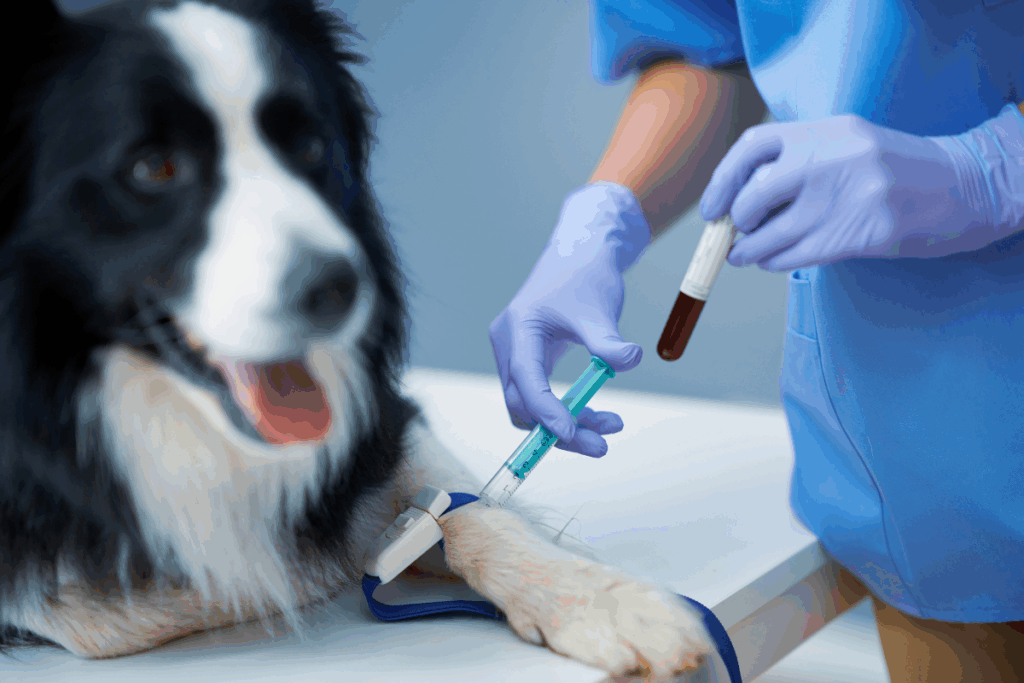
Platelet Rich Plasma (PRP) for dogs and cats is a natural, advanced therapy that uses your pet’s own blood to support healing, reduce pain, and improve mobility. At Cutting Edge Pet Clinic, we also offer PRP for cats when appropriate.
This treatment helps pets recover faster while reducing reliance on long-term medications or surgery.
Conditions Platelet Rich Plasma May Help Treat
PRP therapy for dogs and cats is commonly used for:
Arthritis & Joint Pain
PRP may help reduce inflammation while improving comfort and flexibility in arthritic joints.
Ligament & Tendon Injuries
Because PRP stimulates tissue repair, it can support healing after strains, tears, or instability.
Soft Tissue Injuries
PRP may promote faster recovery in muscles, tendons, and connective tissues.
Degenerative Joint Disease
Over time, PRP can help support joint health and slow degeneration.
Post-Surgical Healing Support
PRP may be used after orthopedic or soft tissue surgery to encourage better healing.
Our team will determine whether PRP is an appropriate option based on your pet’s condition, age, and overall health.
What Is Platelet Rich Plasma for Dogs and Cats?
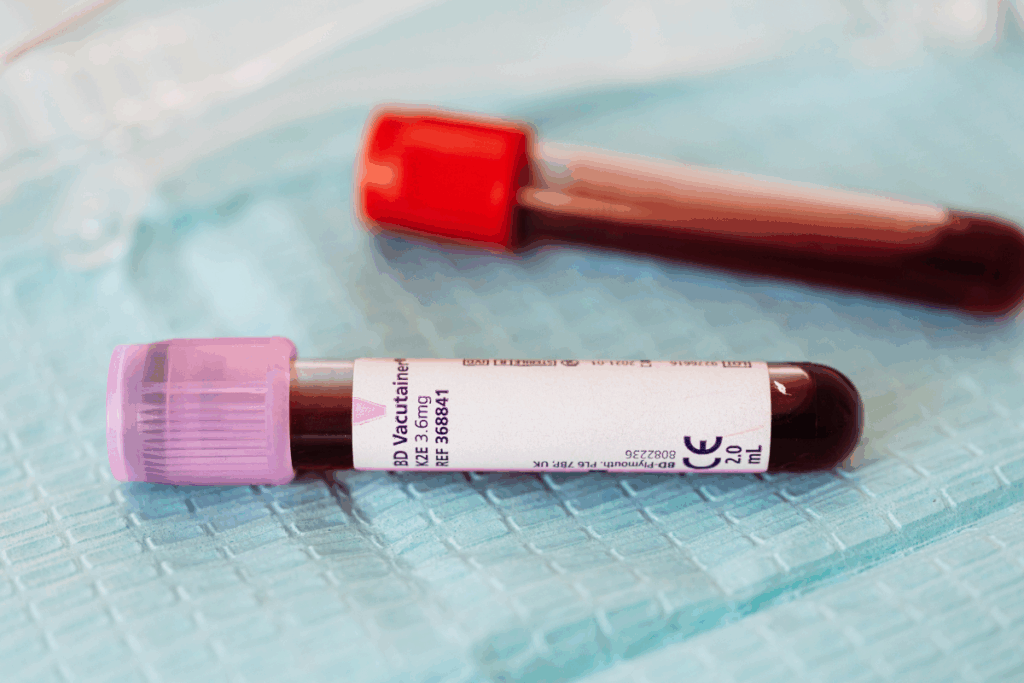
Platelet Rich Plasma (PRP) is created from your pet’s own blood. The platelets are separated and concentrated because they contain powerful growth factors that support healing.
After processing, the PRP is injected into the area that needs repair. As a result, the body receives a boost of natural healing signals.
PRP for dogs and cats may help:
Promote tissue regeneration
Reduce inflammation
Improve comfort and movement
Support long-term joint health
Because PRP comes from your pet’s own body, the risk of reaction is extremely low.
Benefits of Platelet Rich Plasma for Dogs & Cats
PRP offers a natural alternative to traditional pain management. Because it uses your pet’s own blood, it works with the body instead of against it. Key benefits include:
- Minimally invasive treatment
- Low risk of side effects
- Reduced need for long-term medication
- Improved comfort and mobility
- Support for faster, more natural healing
In many cases, PRP helps delay or reduce the need for surgery.
What to Expect During a PRP Appointment
Initial Evaluation
First, we examine your pet and review medical history.
Blood Collection
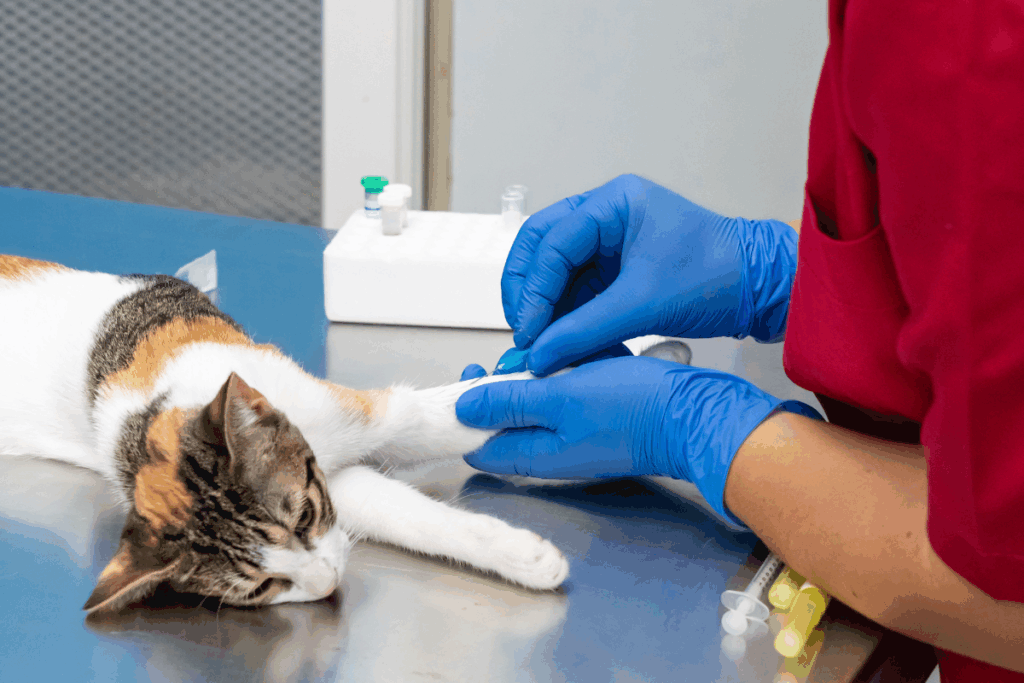
Then, a small blood sample is taken, similar to routine bloodwork.
PRP Preparation
Next, the blood is processed to concentrate the platelets.
PRP Injection
After that, the PRP is injected into the target area. Light sedation may be used for comfort.
Recovery & Monitoring
Most pets return home the same day. Mild soreness may occur briefly.
Recovery & Aftercare
After PRP therapy, your pet may need short-term activity modification.
In addition, we may provide pain-management guidance if needed.
Your pet’s recovery plan may include:
- Temporary activity restrictions
- Gradual return to exercise
- Follow-up exams to track progress
Many dogs begin showing improvement within a few weeks.
PRP FAQs
Does PRP require surgery?
No. PRP is a minimally invasive, non-surgical treatment. Injections are typically performed on an outpatient basis, and most pets return home the same day.
Will my pet need sedation?
Some pets may benefit from light sedation to ensure comfort and precise placement of the PRP injection, while others may not. Your veterinarian will recommend what is best for your pet.
How long does it take to see results?
Every pet responds differently. Some pets show improvement within a few weeks, while others experience gradual benefits over time as healing progresses.
How long do PRP results last?
Results vary depending on the condition being treated and your pet’s overall health. Some pets benefit from a single treatment, while others may require additional sessions as part of an ongoing management plan.
Are there side effects after PRP treatment?
Mild soreness or temporary swelling at the injection site can occur as the healing response begins. These effects are usually short-lived and resolve on their own.
Is PRP right for every pet?
PRP is not appropriate for every condition or every patient. Your veterinarian will evaluate your pet’s age, health, diagnosis, and overall needs to determine if PRP therapy is a good option.
Schedule a PRP Consultation
If your pet is struggling with pain, mobility issues, or chronic inflammation, regenerative medicine may help restore comfort and function.