What Is Dog Nipping? Understanding Why Dogs Nip and How to Stop It
If you’ve ever had a dog gently (or not so gently) grab your hand, ankle, or clothing with their teeth, you may have wondered: what is dog nipping? Dog nipping is a common behavior, especially in puppies and young dogs, but it can also appear in adult dogs under certain circumstances. While nipping is often not aggressive, it’s important to understand why it happens and how to manage it before it turns into a bigger behavioral issue.
In this guide, we’ll explain what dog nipping is, why dogs nip, how it differs from biting, and what pet owners can do to prevent and correct the behavior.
What Is Dog Nipping?
Dog nipping refers to a dog using their mouth or teeth to lightly grab, pinch, or touch a person, another animal, or an object. Unlike a bite, nipping typically does not break the skin and is often done with little force. However, even gentle nipping can be uncomfortable, alarming, or unsafe — especially around children.
So, what is dog nipping really about? In most cases, it’s a form of communication or play rather than aggression. Dogs explore the world with their mouths, and nipping is one way they interact, especially when they’re young or overstimulated.
Dog Nipping vs. Dog Biting: What’s the Difference?
Understanding the difference between nipping and biting is crucial. While the behaviors may look similar, they have very different meanings.
- Nipping: Light contact with teeth, usually playful or communicative, rarely causes injury.
- Biting: Strong pressure with intent to harm or defend, often breaking skin.
While nipping is usually less serious, it should never be ignored. Repeated nipping can escalate into biting if the underlying cause isn’t addressed.
Why Do Dogs Nip?
There are several reasons why dogs nip, and identifying the cause is the first step toward correction.
1. Puppy Teething and Exploration
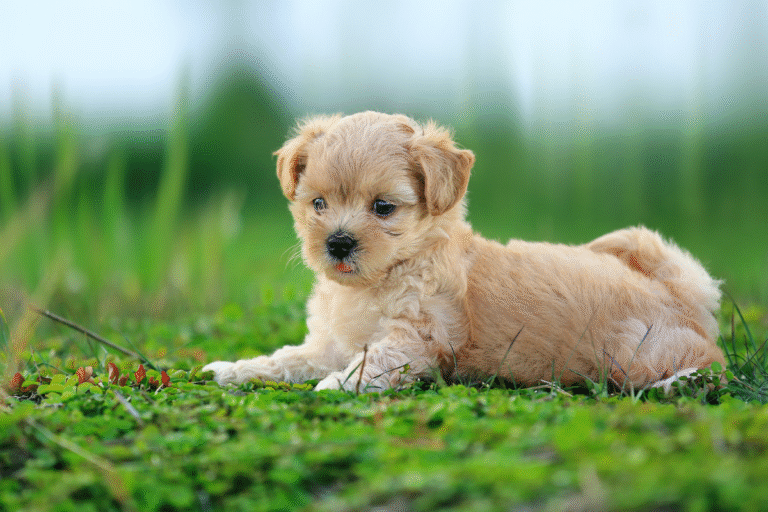
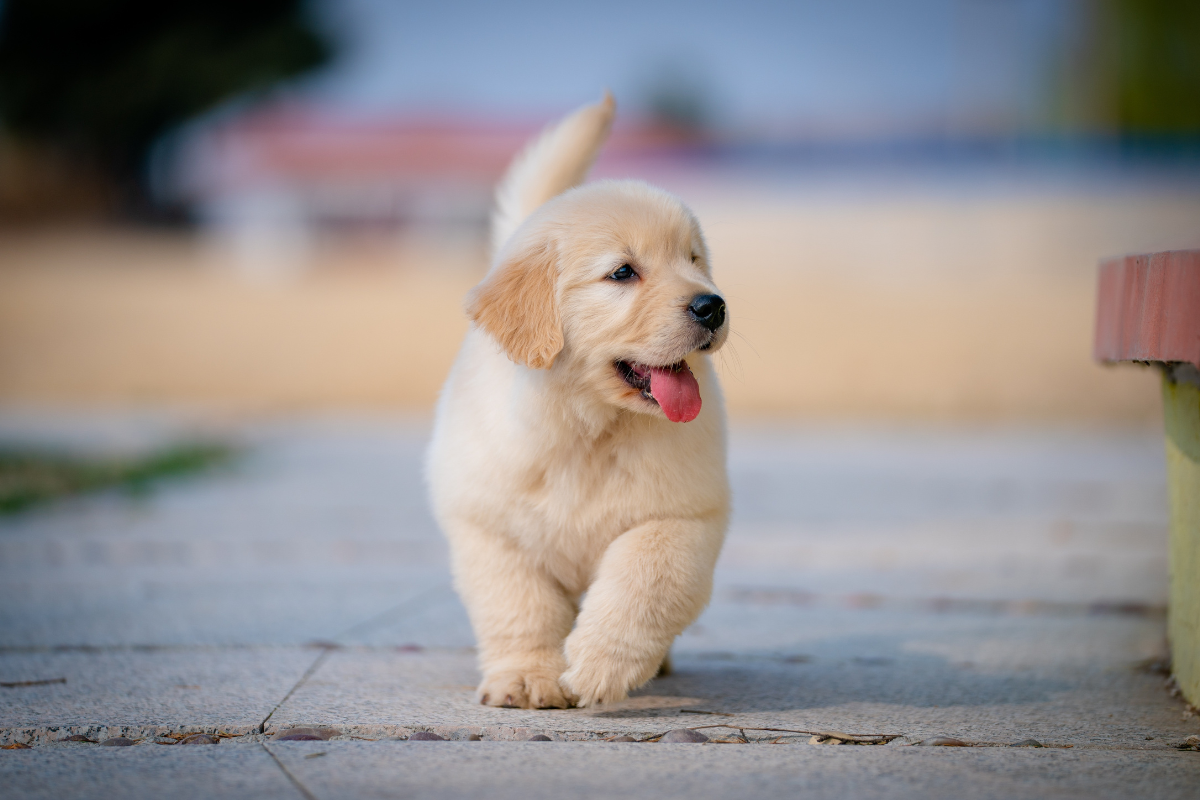
Puppies naturally nip as they explore their environment and soothe sore gums during teething. This is one of the most common answers to the question, what is dog nipping in puppies?
2. Play Behavior
Dogs often nip during play, especially if they haven’t learned proper boundaries. Herding breeds, in particular, may nip at heels or ankles as part of instinctual behavior.
3. Overstimulation or Excitement
Dogs may nip when they become overly excited or overwhelmed, such as during rough play, greetings, or high-energy situations.
4. Fear or Anxiety
A dog may nip as a warning if they feel scared, threatened, or cornered. This type of nipping is a sign that the dog is uncomfortable.
5. Lack of Training or Socialization
Dogs that haven’t been properly trained or socialized may not understand appropriate behavior, leading to nipping when they don’t know how else to communicate.
Is Dog Nipping Normal?
Yes — in many cases, dog nipping is a normal developmental behavior, especially in puppies. However, “normal” doesn’t mean it should be allowed to continue unchecked. Dogs need guidance to learn acceptable behavior.
Adult dogs that nip may be reacting to stress, pain, or fear, which means the behavior should be evaluated more closely.

How to Stop Dog Nipping
Once you understand what dog nipping is and why it happens, you can take steps to correct it. Consistency is key.
Teach Bite Inhibition
Dogs need to learn how much pressure is acceptable. If a dog nips during play, immediately stop interaction and calmly disengage. This teaches them that nipping ends the fun.
Redirect the Behavior
Provide appropriate chew toys or interactive toys to redirect mouthy behavior away from hands and clothing.
Avoid Rough Play
Games like wrestling or hand play can encourage nipping. Stick to structured play such as fetch or puzzle toys.
Use Positive Reinforcement
Reward calm behavior with treats, praise, or affection. Reinforcing good behavior is far more effective than punishment.
Socialization and Training
Early training classes and socialization with other dogs help teach proper play behavior and communication skills.
When Should You Be Concerned About Dog Nipping?
While occasional nipping can be normal, there are times when it signals a bigger issue. You should seek professional help if:
- Nipping becomes more frequent or intense
- The dog shows signs of aggression (growling, snapping)
- The nipping is fear-based
- A dog nips children or strangers
- The behavior appears suddenly in an adult dog
In some cases, medical issues such as pain or discomfort can contribute to behavior changes, so a veterinary exam may be recommended.
Can a Veterinarian Help With Dog Nipping?
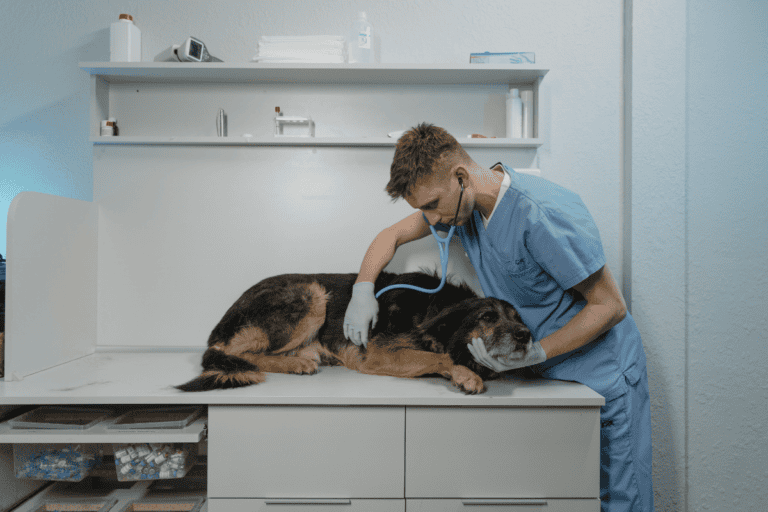
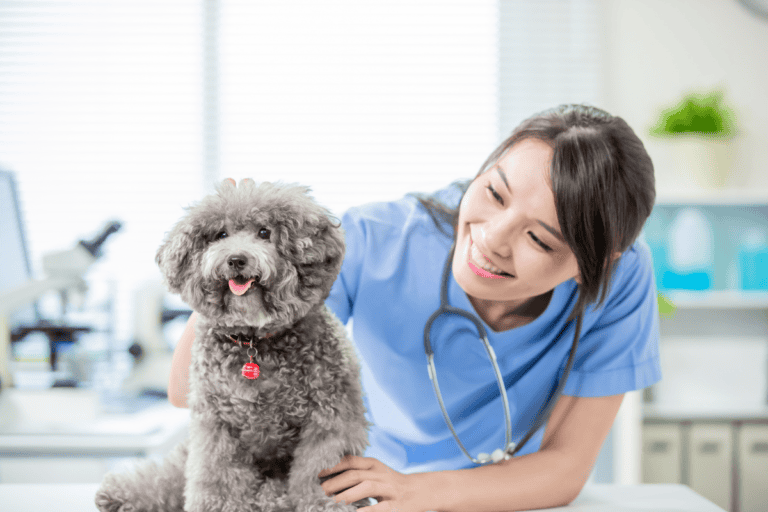
Yes. Veterinarians play an important role in identifying whether nipping has a medical or behavioral cause. They can rule out pain, neurological issues, or anxiety-related conditions and may recommend training resources or behavior specialists if needed.
Understanding what dog nipping is allows pet owners to take proactive steps before the behavior escalates.
Final Thoughts
So, what is dog nipping? It’s a common canine behavior that usually stems from play, communication, excitement, or lack of training — not aggression. While it’s especially common in puppies, dog nipping should always be addressed early to prevent future behavioral problems.
With patience, consistency, and proper guidance, most dogs can learn appropriate behavior and develop healthy ways to interact with people and other animals. If you’re unsure how to manage your dog’s nipping or notice concerning changes, reaching out to a veterinary professional is the best next step.
Concerned About Your Dog’s Nipping Behavior?
If you’re noticing ongoing nipping or changes in your dog’s behavior, our veterinary team is here to help. We can assess underlying causes and guide you toward the right next steps for your dog’s health and safety.
Call our office or request an appointment online today.