
Regenerative Stem Cell Therapy for Pets
Stem cell therapy uses your pet’s own repair cells to support healing, reduce inflammation, and improve mobility — a natural, advanced approach to long-term comfort.
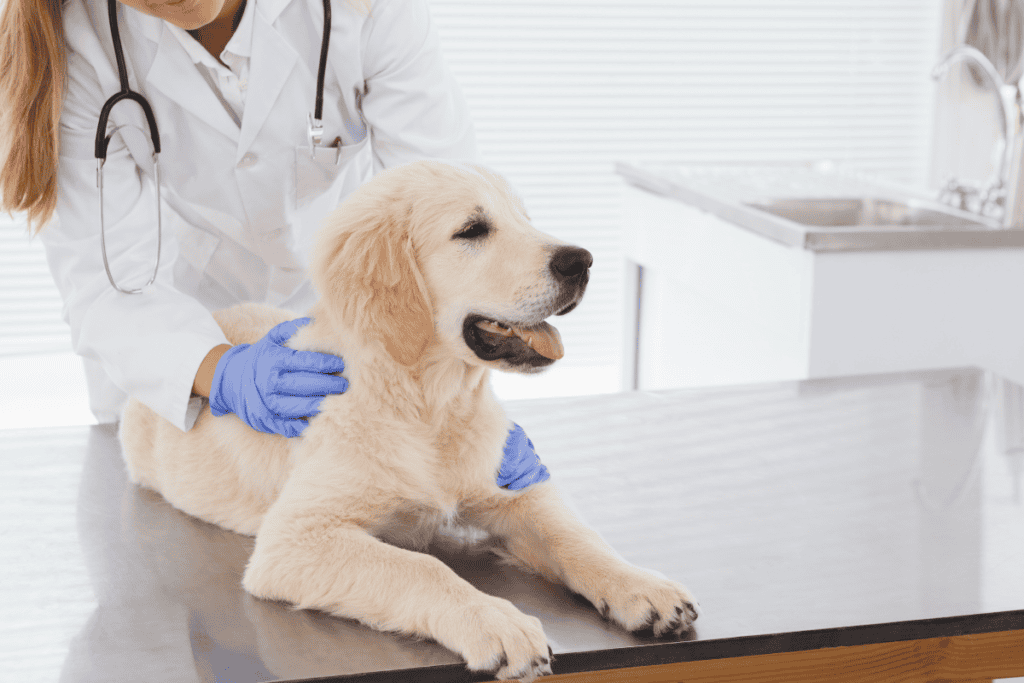
Regenerative Medicine: Stem Cell Therapy for Dogs and Cats
Stem cell therapy for dogs and cats is a natural, advanced treatment that uses your pet’s own cells — isolated from their fat (adipose) tissue — to support healing and reduce inflammation. At Cutting Edge Pet Clinic, we offer regenerative stem cell therapy for dogs and cats when appropriate.
This treatment works with your pet’s body to help repair tissue, and may reduce reliance on long-term medication or surgery.
Benefits of Stem Cell Therapy
Degenerative Joint Disease
Stem cells may help support joint health and slow degeneration over time.
Hip Dysplasia
May help ease discomfort and improve mobility in pets with hip dysplasia.
Soft Tissue Injuries
Supports recovery in muscles, tendons, ligaments, and connective tissue.
Wound Healing
May help promote healing of slow or difficult-to-heal wounds.
Ligament & Tendon Damage
May support repair of damaged ligaments and tendons.
What Is Stem Cell Therapy for Dogs and Cats?
Stem cells — sometimes called “repair cells” — are found throughout your pet’s body. In stem cell therapy, these regenerative cells are isolated from your pet’s own fat (adipose) tissue and applied to the area that needs healing.
Because the cells come from your pet’s own body, it’s a natural approach with a very low risk of reaction.
Stem cell therapy for dogs and cats may help:
- Repair and regenerate damaged tissue
- Reduce inflammation
- Ease joint pain and stiffness
- Improve comfort and mobility
- Support long-term joint health
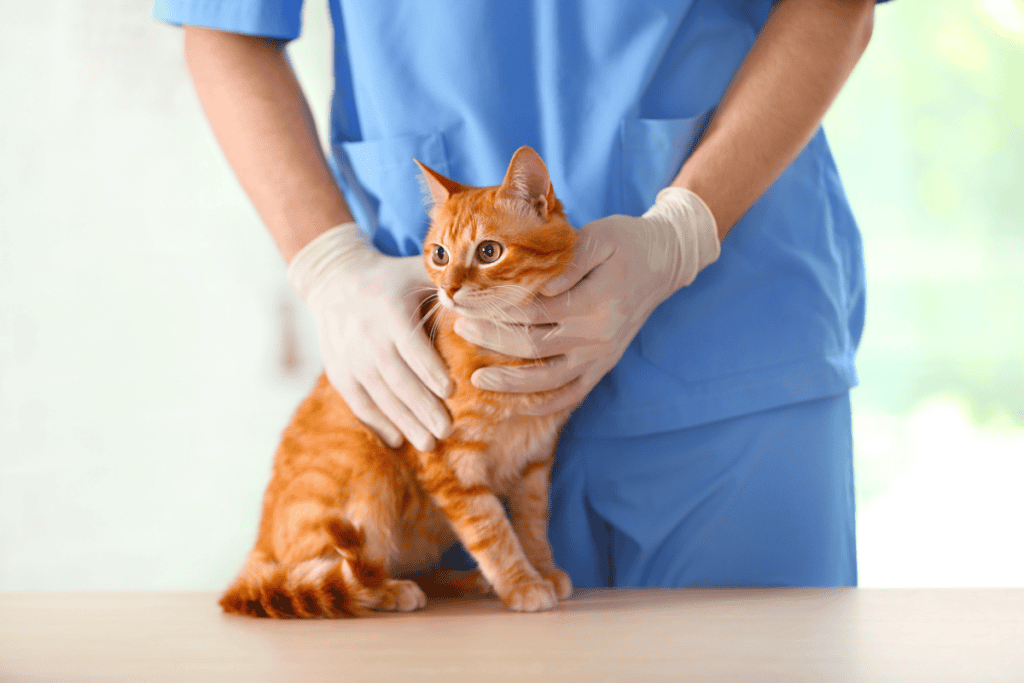
Benefits of Stem Cell Therapy for Dogs & Cats
Stem cell therapy offers a natural, regenerative approach that works with your pet’s body instead of against it. Key benefits include:
- Natural treatment using your pet's own cells
- Minimally invasive
- Low risk of reaction
- May reduce the need for long-term medication
- Supports healing from within
In many cases, stem cell therapy may help delay or reduce the need for surgery.
What to Expect with Stem Cell Treatment
Initial Evaluation
We examine your pet and review their medical history to see if stem cell therapy is an appropriate option.
Tissue Collection
A small amount of fat (adipose) tissue is collected — often during a spay, neuter, or other procedure.
Lab Processing
The sample is processed to isolate your pet’s own regenerative repair cells.
Stem Cell Treatment
The cells are applied to the area that needs healing.
Recovery & Monitoring
We monitor your pet’s progress and guide you through aftercare.

Proactive Stem Cell Banking — Bank Now, Save Later
You can also bank your pet’s stem cells for the future. Collecting cells during an already-scheduled spay, neuter, or other surgery — while your pet is young — means lower added anesthesia risk, better cell yields, and savings down the road.
Collect
Your vet collects a small amount of adipose tissue during a spay, neuter, or elective surgery.
Process
The sample is shipped overnight to the lab and processed.
Store
Your pet's cells are cryo-stored for the life of your pet — ready if they're ever needed.
Banking gives you access to regenerative medicine as your pet ages — for conditions like arthritis, hip dysplasia, and joint, ligament, or tendon damage.
Recovery & Aftercare
After stem cell treatment, your pet may need short-term activity modification. We’ll provide guidance and follow-up to support their recovery.
- Temporary activity restrictions
- Gradual return to exercise
- Follow-up exams to track progress
Many pets begin showing improvement over the following weeks.
Stem Cell Therapy FAQs

Does stem cell therapy require major surgery?
Where do the stem cells come from?
From your pet’s own fat (adipose) tissue, so there’s a very low risk of reaction.
What conditions can it help?
Degenerative joint disease, hip dysplasia, soft tissue injuries, wound healing, and ligament or tendon damage, among others.
Can I bank my pet's cells for later?
Yes — ask us about proactive stem cell banking during your pet’s spay, neuter, or surgery.
How long until we see results?
Many pets improve gradually over the weeks following treatment. Results vary by pet and condition.
Is stem cell therapy right for every pet?
Our team will assess your pet’s condition, age, and overall health to determine if it’s a good fit.
Schedule a Stem Cell Consultation
If your pet is struggling with joint pain, mobility issues, or a soft tissue injury, regenerative stem cell therapy may help restore comfort and function.