Is Dental Cleaning for Dogs Necessary? What Pet Owners Need to Know
Dental disease is one of the most common—and most overlooked—health conditions in dogs. Many dogs show signs of dental problems by three years of age, yet oral health is often addressed only when visible issues arise.
So, is dental cleaning for dogs necessary?
In most cases, yes—routine dental care is a critical part of preventive veterinary medicine.
This article explains why dental cleanings matter, when they’re needed, and how they support your dog’s overall health.
What Is a Professional Dental Cleaning for Dogs?
A professional dental cleaning is a veterinary procedure performed under general anesthesia that allows for a thorough evaluation and treatment of the teeth and gums.
A complete dental cleaning typically includes:
- Oral examination
- Dental radiographs (X-rays) to assess below the gumline
- Scaling and polishing to remove plaque and tartar
- Treatment of diseased or damaged teeth if needed
Unlike cosmetic cleanings, professional dental care addresses disease below the gumline, where most dental pathology occurs.
Why Are Dental Cleanings Important for Dogs?
Dental disease begins with plaque buildup and progresses to gingivitis and periodontal disease if left untreated. Once periodontal disease develops, it cannot be reversed—only managed.
Benefits of Regular Dental Cleanings:
- Prevents periodontal disease progression
- Reduces oral pain and inflammation
- Improves breath odor
- Lowers the risk of tooth loss
- Helps prevent bacteria from spreading to the heart, liver, and kidneys
Oral infections can cause chronic pain that dogs often hide, making routine dental care especially important.
Signs Your Dog May Need a Dental Cleaning
Dogs often show subtle signs of dental discomfort. Common indicators include:
- Bad breath
- Red or bleeding gums
- Yellow or brown tartar buildup
- Dropping food or chewing on one side
- Pawing at the mouth
- Behavioral changes or reduced appetite
If you notice any of these signs, a veterinary dental evaluation is recommended.
Are Dental Cleanings Under Anesthesia Safe?
General anesthesia is necessary to perform a thorough and safe dental cleaning. It allows the veterinarian to:
- Clean below the gumline
- Take dental radiographs
- Prevent aspiration of debris
- Minimize stress and discomfort
Veterinary teams perform pre-anesthetic bloodwork and continuous monitoring to minimize risk. For most healthy dogs, dental cleanings under anesthesia are considered very safe.
Can Dental Disease Affect Overall Health?
Yes. Untreated dental disease allows bacteria to enter the bloodstream, which can contribute to systemic health issues involving the heart, kidneys, and liver.
Maintaining oral health is an important part of protecting your dog’s long-term health and quality of life.
How Often Do Dogs Need Dental Cleanings?
The frequency of dental cleanings varies based on:
- Breed (small breeds are at higher risk)
- Age
- Diet
- At-home dental care
Many dogs benefit from professional cleanings every 12–24 months, but your veterinarian will determine the best schedule for your dog.
At-Home Dental Care for Dogs
Professional cleanings should be paired with consistent home care.
Veterinary-recommended at-home options include:
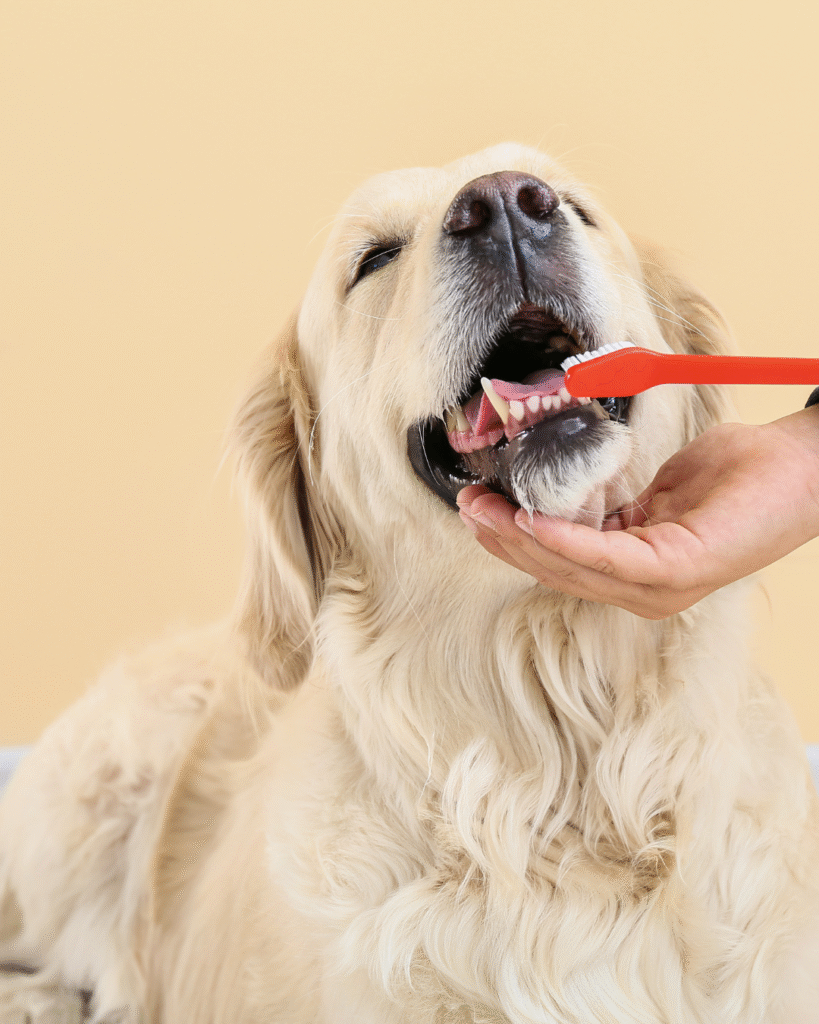
- Daily tooth brushing with dog-safe toothpaste
- Dental chews approved by the Veterinary Oral Health Council (VOHC)
- Dental diets or water additives (as recommended by your veterinarian)
At-home care helps slow plaque buildup but does not replace professional dental cleanings.
Are Non-Anesthetic Dental Cleanings Effective?
Non-anesthetic dental cleanings may improve the appearance of teeth but do not address disease below the gumline. These services are considered cosmetic and are not a substitute for veterinary dental care.
Conclusion
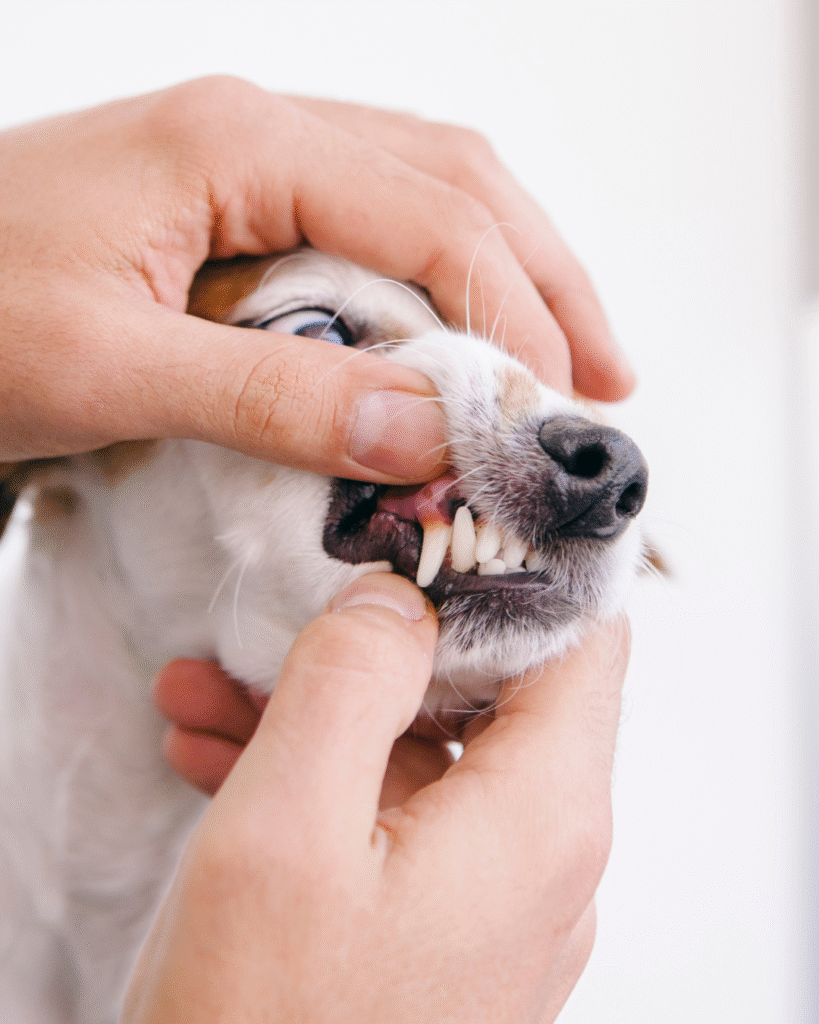
Dental cleanings are not just about fresh breath—they are essential for preventing pain, infection, and serious health complications in dogs. Routine professional dental care, combined with at-home maintenance, plays a critical role in keeping your dog healthy and comfortable throughout their life.
If you have questions about your dog’s dental health or whether a cleaning is recommended, schedule a dental evaluation with your veterinarian.